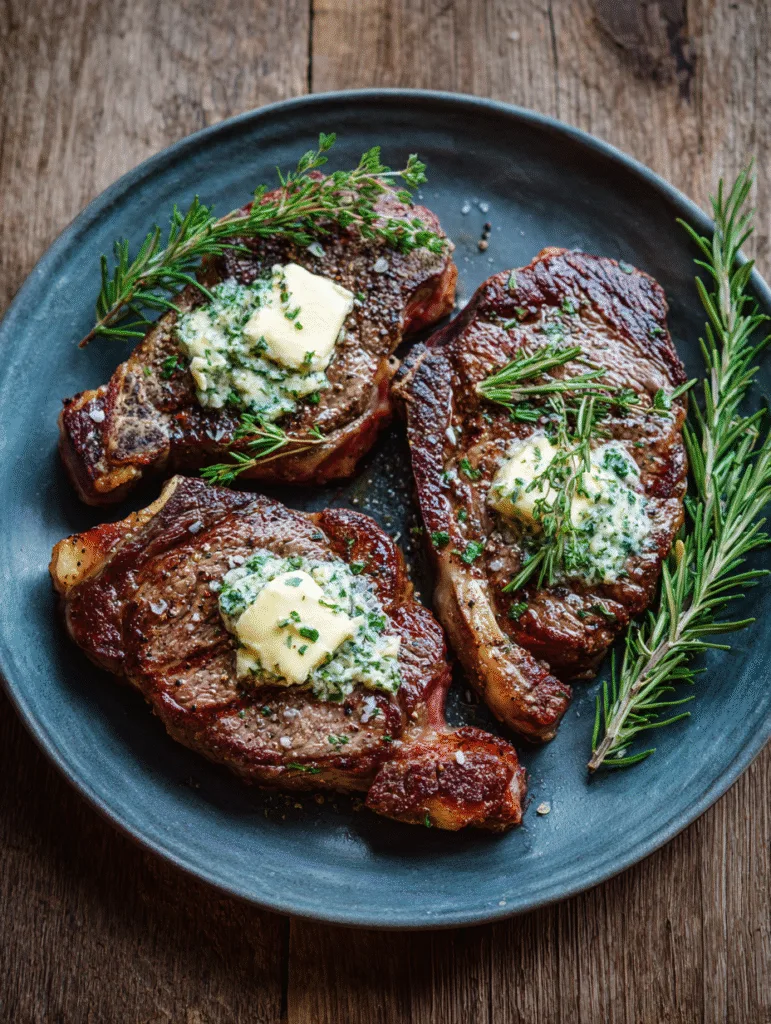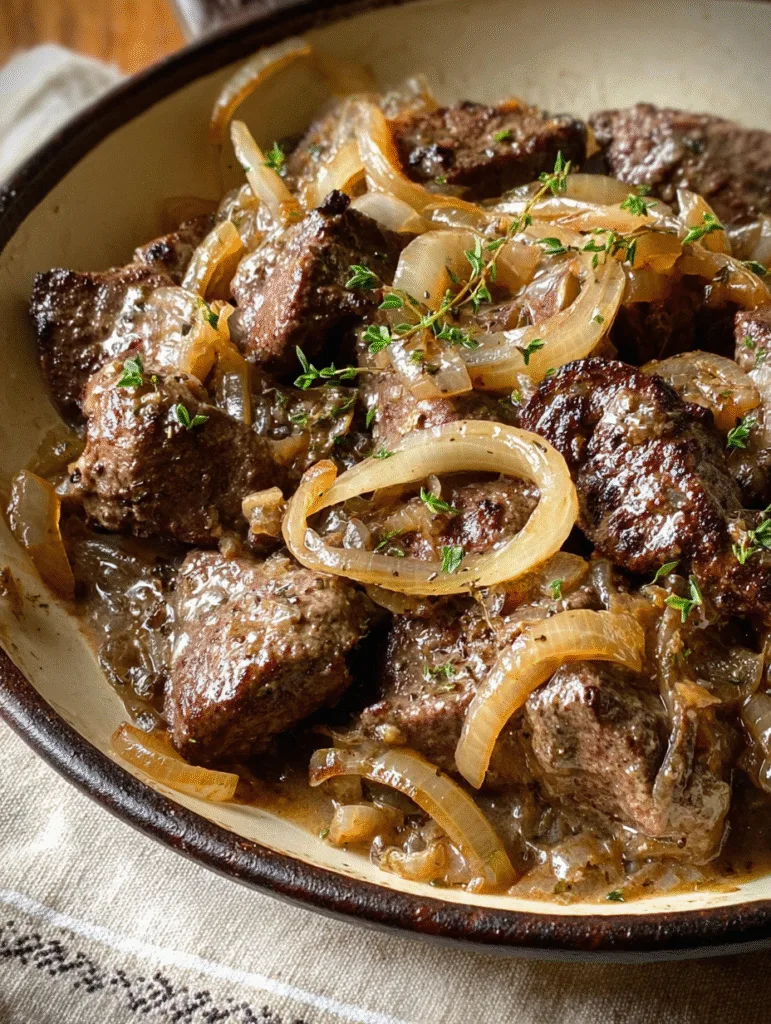
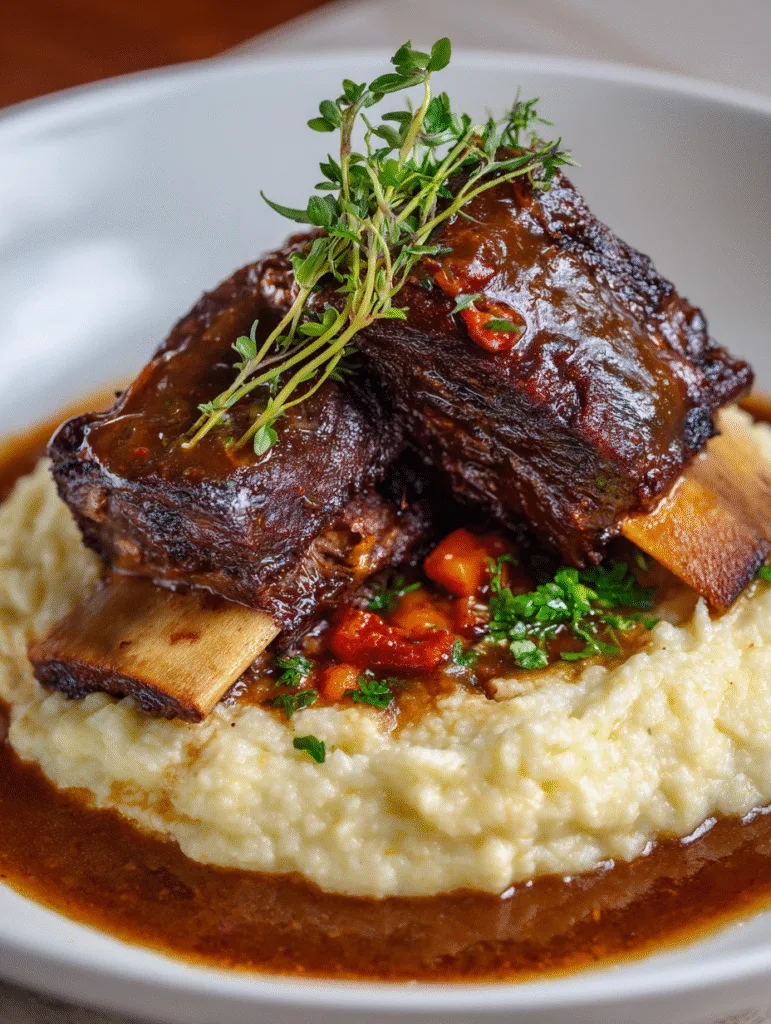
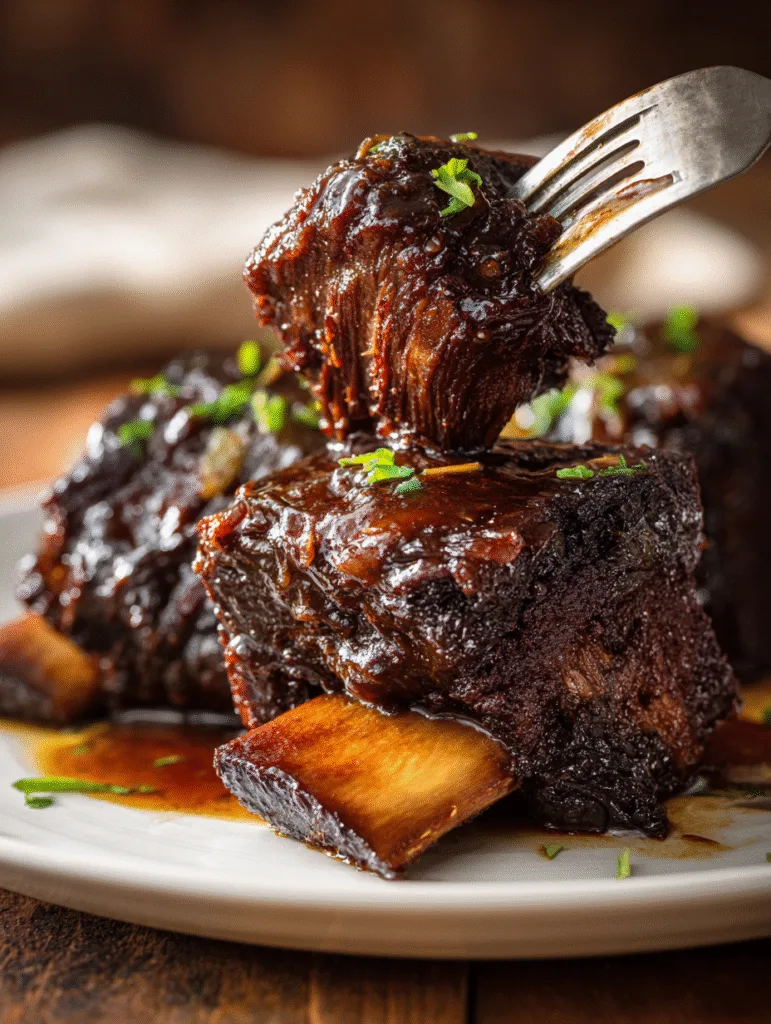
Slow cooked beef short ribs are a rich, tender, fall-off-the-bone main course made by braising bone-in ribs slowly in a seasoned broth until the meat becomes fork-tender. This method enhances the natural marbling of the ribs, resulting in deeply flavorful, juicy bites that require minimal hands-on time.
Ideal for both special occasions and weeknight comfort food, slow cooker beef ribs transform a traditionally tough cut into a satisfying carnivore dish with ease. Using simple ingredients like garlic, onion, herbs, and beef broth, this beef short ribs recipe slow cooker method guarantees consistently tender beef ribs with a rich, savory sauce.
How to make: Start by browning the ribs for flavor, then slow cook with aromatics and broth for 6–8 hours. The result is a hearty beef ribs dinner idea perfect for serving over mashed potatoes or with roasted vegetables.
For more hearty carnivore dishes and complete meal plans, check out our Carnivore Diet 7-Day Meal Plan.
In This Article
In This Recipe
How to Make Slow Cooked Beef Short Ribs at Home
If you’ve ever craved that slow, satisfying tenderness of fall-off-the-bone ribs without the need for complicated prep or all-day oven babysitting, then you’re in the right place. Before we get into the full recipe card, this section sets the foundation, helping you choose the right cut, understand what makes short ribs ideal for slow cooking, and feel confident about getting started.
Why Short Ribs Are a Top Choice for Slow Cooking
Short ribs come from the lower rib section of the cow, containing both rich marbling and tough connective tissue. That combination is what makes them absolutely perfect for low and slow cooking. The slow cooker gently breaks down those tough fibers, turning them into gelatin and making the meat unbelievably moist and tender.
Unlike lean cuts of meat, short ribs thrive in long, moist cooking environments. The fat renders slowly, basting the meat from within. The collagen melts down and creates that signature “beefy” mouthfeel that’s impossible to rush. That’s what transforms ordinary ribs into carnivore dishes you’ll want to make again and again.
Bone-In or Boneless: Which Is Better?
While both bone-in and boneless short ribs can work in a slow cooker beef ribs recipe, most chefs and home cooks agree: bone-in is better. Why? The bone insulates the meat and helps it cook more evenly. It also adds depth to the cooking liquid, infusing your sauce with extra richness.
Boneless ribs cook slightly faster but are more prone to drying out if not monitored carefully. They work in a pinch, especially if you’re short on prep time, but for the full flavor and experience, go bone-in.
If you’re looking for more guidance on selecting the best meats for a carnivore diet, see our Best Cuts of Meat for Carnivore Diet guide.
How to Shop for the Best Short Ribs
When browsing the meat counter, here’s what to look for:
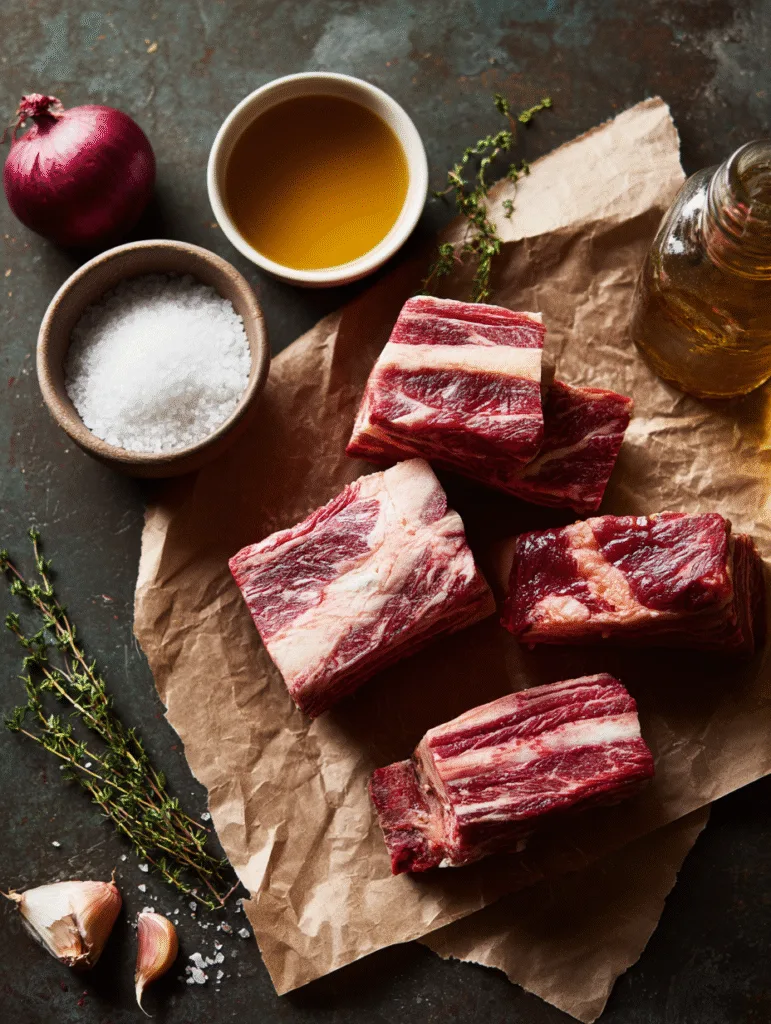
- Cut: Choose English-style ribs, not flanken. English-cut ribs have a thick slab of meat sitting on top of a single bone, perfect for braising.
- Marbling: Look for visible internal fat streaks running through the meat (not just outside it). Marbling is the secret to that tender, melt-in-your-mouth texture.
- Thickness: Uniform ribs cook more evenly. Try to get similar-sized pieces, about 2–3 inches thick.
This foundational understanding ensures you’re starting with the best ingredients for fall-off-the-bone ribs that practically spoon themselves onto the plate.
PrintUltimate Fall-Off-The-Bone Slow Cooked Beef Short Ribs
Slow cooked beef short ribs are fall-apart tender, deeply flavorful, and made with everyday ingredients. This comforting carnivore dish is slow-braised in broth and aromatics until juicy, rich, and fork-tender.
- Prep Time: 20 minutes
- Cook Time: 6–8 hours (low) or 4.5–5.5 hours (high)
- Total Time: 6.5 to 8.5 hours
- Yield: 4–6 servings
- Category: Main Dish
- Method: Slow Cooking / Braising
- Cuisine: American
Ingredients
-
3.5 to 4 lbs bone-in beef short ribs (English cut)
-
1 tablespoon olive oil (or other neutral oil)
-
1 large yellow onion, sliced
-
4 cloves garlic, smashed
-
2 cups beef broth (low sodium preferred)
-
1 tablespoon tomato paste (optional, for richness)
-
2 teaspoons kosher salt
-
1 teaspoon ground black pepper
-
2 sprigs fresh thyme or 1 teaspoon dried
-
1 bay leaf
-
Optional: 2 carrots, peeled and chopped
-
Optional: 2 celery stalks, chopped
-
Optional: 1 tablespoon cornstarch + 2 tablespoons cold water (for thickening sauce)
Instructions
-
Prep the Ribs: Pat ribs dry with paper towels. Trim off thick outer fat, but leave internal marbling. Season generously with salt and pepper.
-
Optional Sear for Flavor: In a large skillet over medium-high heat, add oil and brown ribs on all sides, about 2–3 minutes per side. Transfer to slow cooker.
-
Build the Flavor Base: Add onion, garlic, tomato paste (if using), thyme, bay leaf, and optional carrots/celery to the slow cooker. Nestle ribs on top.
-
Add Liquid: Pour in beef broth, just enough to come halfway up the ribs.
-
Cook Low and Slow: Cover and cook on low for 6–8 hours, or on high for 4.5–5.5 hours. Ribs are ready when the meat is fork-tender and pulling away from the bone.
-
Optional Sauce Step: Remove ribs. Skim fat from top of liquid. For thicker sauce, stir in cornstarch slurry and cook on high until slightly thickened.
-
Serve: Spoon sauce over ribs and serve with mashed potatoes, roasted vegetables, or crusty bread.
Notes
-
Bone-in ribs offer the best flavor and juiciness.
-
If adding vegetables, place them under the meat so they cook evenly and soak up the juices.
-
Tomato paste adds subtle depth but can be omitted.
-
Always taste and adjust seasoning after cooking.
Why Beef Short Ribs Work Perfectly for Slow Cooking
When it comes to hearty, comforting meals, few dishes rival the rich flavor and tenderness of slow cooked beef short ribs. But what exactly makes this cut such a natural fit for the slow cooker? It all comes down to anatomy, texture, and the unique properties of this underrated cut.
The Anatomy Behind the Flavor
Beef short ribs come from the plate or chuck section of the cow, both of which see a lot of movement. That means these ribs are loaded with connective tissue, collagen, and intramuscular fat, all essential for delivering big flavor and that signature, silky texture.
But here’s the trick: these elements are only assets when cooked low and slow. If rushed, short ribs stay chewy and dense. If given time, though, they transform. Collagen turns to gelatin, fat renders gently, and the meat becomes fork-tender and richly satisfying.
That’s why this beef short ribs recipe slow cooker method is not just convenient, it’s correct. The slow cooker’s gentle, moist heat over several hours is exactly what this cut needs to reach its flavorful potential.
Collagen and Fat: Your Secret Weapons
Let’s break it down even more:
- Collagen, the connective tissue found throughout short ribs, needs low temperatures and time to break down. Once it does, it turns into gelatin, giving ribs that soft, buttery feel that clings to your fork.
- Marbled fat inside the meat slowly melts, infusing every bite with richness and locking in moisture. This is how you achieve juicy, tender beef ribs without babysitting a pot all day.
By contrast, cooking too hot or too fast won’t give these components time to do their magic. That’s why using a slow cooker or similar method isn’t just a shortcut, it’s the only way to get truly fall-off-the-bone ribs.
Bone-In Adds Flavor and Structure
Another advantage of bone-in short ribs? The bone itself plays an important role:
- It protects the meat from overcooking by absorbing and distributing heat.
- It releases minerals and marrow into the cooking liquid, creating a savory, robust flavor in the sauce.
- It supports even cooking, especially when ribs are layered in a slow cooker.
When you choose bone-in, you’re not just getting better texture, you’re enriching the entire dish from the inside out.
Common Pitfalls and How to Avoid Tough or Dry Ribs
Even the most flavorful cut of meat can turn disappointing if it’s not cooked correctly. If your slow cooked beef short ribs ever turn out chewy or dry, you’re not alone, but the good news is, every issue has a simple fix. This section tackles the most common mistakes and how to avoid them to ensure your ribs come out perfectly tender every single time.
1. Cooking on High Heat for Too Long
Problem: Rushing the cooking process with high heat might save time, but it doesn’t give collagen enough time to break down.
Solution: Stick with low heat for 6–8 hours whenever possible. This is the key to tender beef ribs. Low and slow allows the connective tissue to gradually dissolve into gelatin, giving the meat its melt-in-your-mouth texture.
2. Under-Cooking the Ribs
Problem: If you cut your cook time short, the ribs may still look done on the outside but remain dense and tough inside.
Solution: Use a fork to test tenderness, the meat should pull apart easily without resistance. If it doesn’t, keep cooking. Even 30 extra minutes on low can make all the difference in transforming chewy to tender.
3. Overcrowding the Slow Cooker
Problem: Packing in too many ribs or ingredients can lead to uneven cooking, with some ribs staying underdone.
Solution: Arrange ribs in a single layer when possible, or at most, a double layer with some space between. Make sure the liquid covers at least half the meat but not the entire rib stack.
4. Using Too Much or Too Little Liquid
Problem: Fully submerging ribs leads to diluted flavors, while too little liquid risks burning or drying out the bottom layer.
Solution: Add just enough beef broth or cooking liquid to cover about halfway up the ribs. This ensures even braising and concentrates flavor. You can always reduce the liquid post-cook to thicken it.
5. Not Searing the Ribs First (When You Have Time)
Problem: Skipping the browning step may save time but can lead to a flatter flavor profile.
Solution: While searing is optional, it’s highly recommended. Browning the ribs before slow cooking enhances the savory depth through the Maillard reaction, enriching both meat and sauce. Just a few minutes per side makes a big difference.
6. Over-Trimming the Fat
Problem: Removing too much fat can leave the meat dry.
Solution: Trim only large exterior fat caps, but leave the internal marbling and some fat attached. That fat will slowly render and self-baste the meat, keeping it juicy and flavorful.
Flavor Variations and Creative Add‑Ons
One of the best things about slow cooked beef short ribs is how well they adapt to different flavor profiles and ingredients. Once you’ve mastered the base recipe, you can easily experiment with variations to keep things interesting. Whether you want to make the dish heartier, spicier, or even a little lighter, these ideas will guide your next batch.
Classic Carnivore Style
Stick to the basics and let the beef shine. This variation focuses on meaty richness with few distractions:
- Use beef broth, onion, garlic, salt, and pepper only.
- Finish with a touch of tomato paste or umami-rich mushroom powder to deepen the beefy taste.
- Pair with mashed cauliflower or roasted marrow bones for a bold carnivore dish.
Veggie-Boosted One-Pot Meal
If you’re feeding a crowd or want a complete dinner in one pot:
- Add carrots, celery, and baby potatoes directly to the slow cooker beneath the ribs.
- These absorb the meaty juices and become ultra-flavorful.
- This approach saves prep time and avoids extra dirty dishes.
Smoky and Sweet (No Pork Needed)
To replicate a smoky-sweet BBQ profile without using bacon or pork:
- Add a dash of smoked paprika and a tablespoon of date paste or molasses.
- Mix with a touch of mustard and garlic to balance the sweetness.
- The result is a deep, robust flavor that clings to every bite, great with grilled veggies.
Asian-Inspired Braise
For a global twist on tender beef ribs:
- Swap half the beef broth for unsweetened pineapple juice or apple cider.
- Add ginger, garlic, a splash of soy sauce or coconut aminos, and a star anise pod.
- Garnish with scallions and sesame seeds. Serve with jasmine rice or steamed bok choy.
For a complete grocery and ingredient guide to support these recipes, explore our Carnivore Diet Food List.
Low-Carb or Leaner Option
If you’re looking for a lighter version of this dish:
- Use boneless short ribs, trim all visible fat, and cook with only aromatics and broth.
- Skip thickening the sauce, and serve with roasted zucchini or sautéed spinach.
These variations not only stretch your creativity but also let you cater to different dietary preferences while keeping the core method the same.
Serving, Storage, and Reheating Tips
Once your slow cooked beef short ribs are perfectly tender and drenched in savory sauce, the next step is making the most of the meal, whether you’re serving right away, storing leftovers, or planning ahead.
Best Ways to Serve Beef Short Ribs
This hearty dish pairs beautifully with sides that soak up every drop of the rich sauce. Here are some beef ribs dinner idea pairings that complement the flavor and texture of slow cooker beef ribs:
- Mashed potatoes, A classic for a reason. Creamy mash is the ideal base for the tender beef and savory gravy.
- Buttered cauliflower mash, A great low-carb or carnivore-friendly alternative.
- Roasted root vegetables, Carrots, turnips, or parsnips balance the richness with a touch of sweetness.
- Steamed greens, Broccoli, spinach, or green beans add brightness and color to the plate.
- Crusty bread or flatbread, Perfect for mopping up sauce if you’re serving family-style.
Add a simple green salad with vinaigrette to cut through the richness and keep the meal balanced.
Pair your ribs with other meal ideas from our Carnivore Breakfast Ideas & Recipes for a full-day carnivore plan.
Storing Leftovers the Right Way
Slow cooked short ribs store exceptionally well, often tasting even better the next day as the flavors continue to develop.
- Refrigerate: Let ribs cool completely, then store in an airtight container for up to 3–4 days. Keep the meat submerged in sauce to retain moisture.
- Freeze: For longer storage, portion ribs and sauce into freezer-safe bags or containers. Freeze for up to 3 months.
- Label and date each batch so you can rotate and use them within the ideal time frame.
How to Reheat Without Drying Out
Proper reheating ensures your tender beef ribs stay just as juicy the second time around.
- Stovetop: Place ribs and sauce in a saucepan. Add a splash of broth or water, cover, and heat on low until warmed through.
- Oven: Cover ribs in an oven-safe dish with foil. Bake at 300°F (150°C) for 20–30 minutes.
- Microwave: For quick reheating, cover ribs with a damp paper towel and heat in 1-minute intervals at 70% power.
Avoid high heat, which can make the meat rubbery or dry. The goal is to gently bring everything back to temperature while preserving the texture.
Frequently Asked Questions (FAQs)
Should beef short ribs be browned before slow cooking?
Browning short ribs before slow cooking is optional, but it adds depth and richness. The Maillard reaction from searing develops a caramelized crust that enhances both the meat and the sauce. If you’re short on time, you can skip it, but searing is worth the extra few minutes for better flavor.
How long do beef short ribs take in the slow cooker?
Beef short ribs typically take 6 to 8 hours on low heat or 4.5 to 5.5 hours on high in the slow cooker. Cooking time may vary slightly based on rib thickness and your slow cooker’s heat output. They’re done when the meat is fork-tender and starts separating from the bone.
Why are my slow-cooked short ribs still tough?
If your ribs are still tough, they likely need more time. The collagen in the meat hasn’t fully broken down yet. Make sure you’re cooking low and slow, not rushing the process. Also check that there’s enough braising liquid and that your heat isn’t too high.
Do you cook short ribs bone-in or boneless?
Bone-in short ribs are preferred for flavor, moisture retention, and even cooking. The bones release marrow and help create a richer sauce. Boneless short ribs cook faster and can work well, but they’re more prone to drying out and lack the added depth of bone-in cuts.
Can you overcook beef short ribs in the slow cooker?
Yes, if they’re left cooking far beyond 9–10 hours, the meat may become mushy and lose structure. Overcooked ribs can also make the sauce greasy as excess fat breaks down. Stick to the recommended times and check for tenderness once you hit the 6-hour mark on low.
What is the best liquid to use for slow-cooking short ribs?
Beef broth is the best base for flavor. You can add aromatics like onion, garlic, herbs, and a spoon of tomato paste to round it out. Just enough liquid should be added to come halfway up the ribs, too much can dilute flavor, too little can dry out the meat.
Do I need to trim the fat off beef short ribs?
You should trim thick, hard caps of external fat, but leave the marbling and soft fat inside the meat intact. This internal fat melts during cooking, keeping the ribs moist and adding flavor.
Should short ribs be cooked on low or high heat?
Low heat is better for cooking short ribs. It allows collagen and fat to break down slowly, giving you tender beef ribs with a luxurious mouthfeel. High heat speeds up the process but risks drying the meat or leaving connective tissue intact.
Conclusion
Slow cooked beef short ribs are a quintessential comfort food that delivers fall-off-the-bone tenderness, rich beefy flavor, and a hands-off cooking experience. With the right cut, proper slow cooking technique, and a few simple ingredients, you can create a meal that’s perfect for cozy weeknights, special occasions, or family dinners.
Experiment with variations, add vegetables or spice twists, and don’t be afraid to make the recipe your own. The slow cooker does the heavy lifting, transforming even tough, collagen-rich ribs into succulent, melt-in-your-mouth perfection.
For more delicious carnivore dishes, recipe ideas, and meal inspiration, follow Carnivormovement on Facebook and discover beautifully curated recipes on Carnivoremovement on Pinterest.