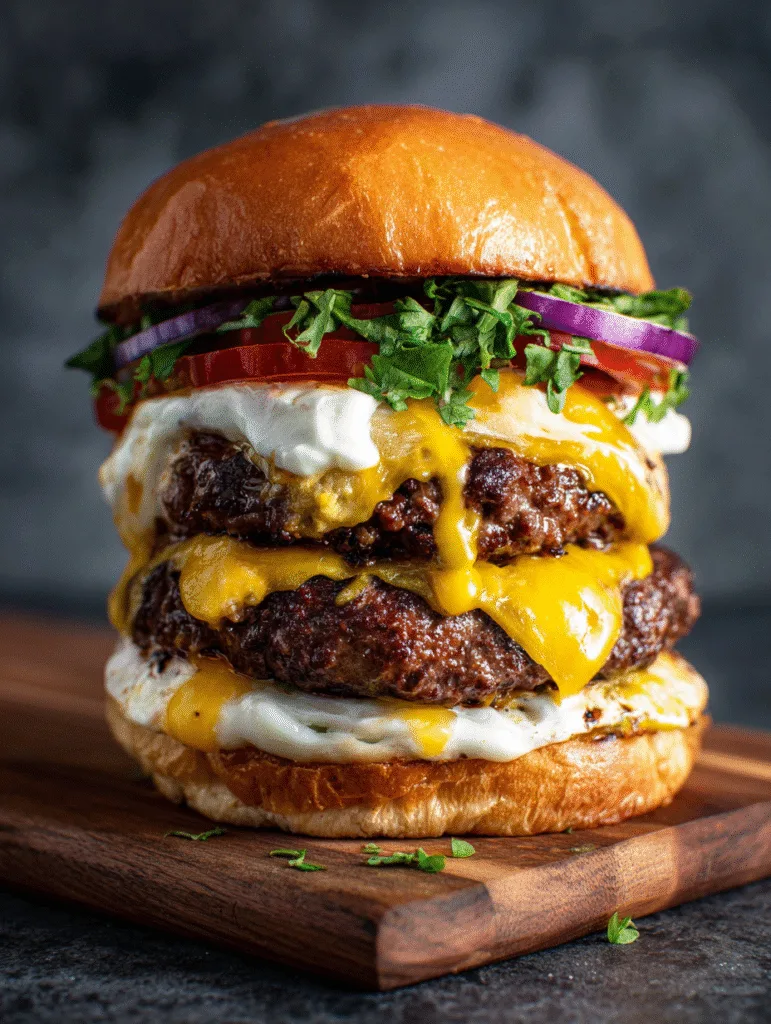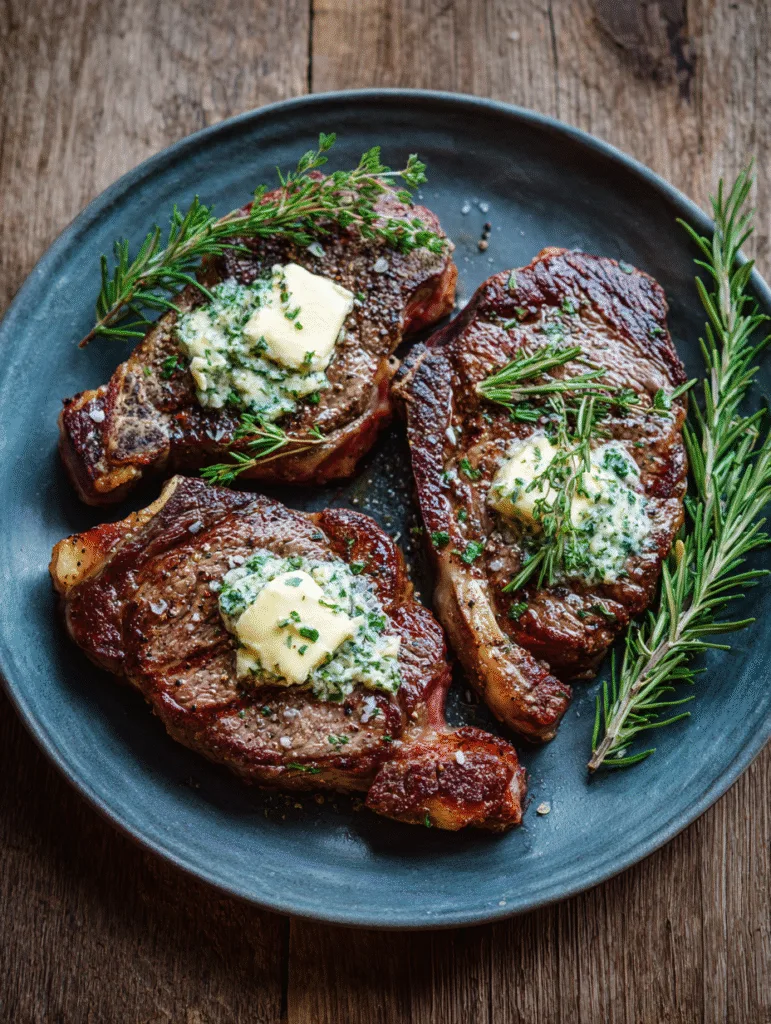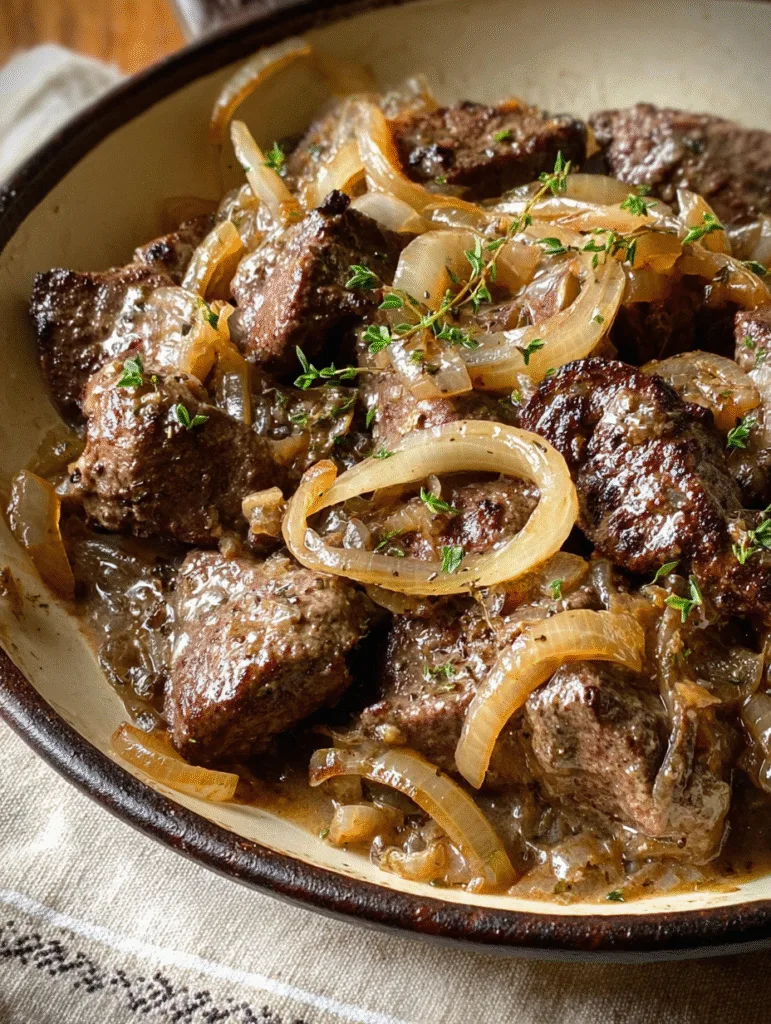
Meal prepping is one of the most effective ways to stay consistent on the carnivore diet while saving time, money, and effort throughout the week. Whether you’re following a strict version or a more flexible, relaxed approach, having carnivore meal prep ideas ready in advance removes decision fatigue and ensures you’re always stocked with nourishing, meat-based meals.
From freezer-friendly carnivore dishes to batch-cooking strategies using fatty cuts and organ meats, this guide walks you through planning, cooking, storing, and enjoying a full week of satisfying carnivore meals. Whether you’re wondering about adding dairy, sticking to strict carnivore rules, or prepping on a tight budget, you’ll find practical guidance, ideas, and solutions here.
Before we dive into the featured recipe, let’s explore what it really takes to create effective carnivore meal prep ideas in your own kitchen.

Table Of Content
In This Recipe
How to Make Carnivore Meal Prep Ideas at Home
If you’re following a carnivore diet meal plan, you already know how important it is to keep food simple, protein-rich, and nutrient-dense. That’s where zero-carb meal prep becomes so powerful: it lets you batch-cook meat-based meals ahead of time, making your week smoother while staying fully aligned with your health goals.
Before cooking anything, take a moment to map out your week. Decide how many meals you’ll need, whether you’re leaning more toward strict carnivore vs. relaxed carnivore meal prep, and which fatty cuts for carnivore diet best match your needs. Think ribeye, ground beef, lamb chops, and even organ meats. Incorporating organ meat recipes carnivore-style dramatically boosts your intake of key nutrients like iron, B vitamins, and fat-soluble vitamins.
Your shopping list carnivore diet staples should include a range of animal-based foods: muscle meats, organ meats, eggs, and, if your version of carnivore allows, some dairy. Curious about adding cheese or butter? It’s perfectly fine to include dairy on carnivore meal prep in a relaxed framework, while stricter eaters may choose to leave it out entirely.
Don’t forget your setup: batch cooking meat-based meals is much easier when you have the right tools. Invest in high-quality meal prep containers for meat that can handle both freezing and reheating. Whether you’re preparing zero carb breakfast ideas carnivore-friendly or easy carnivore dinner recipes prep-ahead style, having a repeatable system is what makes this lifestyle sustainable.
Now that you’ve got the mindset and ingredients ready, it’s time to dive into a real recipe designed for batch cooking, flavor, and full carnivore satisfaction.
PrintCarnivore Meal Prep Skillet: Batch-Cooked Beef & Liver for 4–6 Servings
This nourishing carnivore meal prep idea brings together fatty ribeye, ground beef, and nutrient-dense organ meats in one skillet-style dish. It’s a true zero-carb, freezer-friendly option that fits seamlessly into any carnivore diet meal plan. Whether you follow strict carnivore or prefer a slightly relaxed approach, this recipe is ideal for batch cooking meat-based meals.
- Prep Time: 10 minutes
- Cook Time: 15 minutes
- Total Time: 25 minutes
- Yield: 4–6 servings
- Category: Main Course
- Method: Skillet
- Cuisine: Carnivore / Zero-Carb
Ingredients
-
2 large ribeye steaks (fatty cut)
-
1 lb ground beef (80/20)
-
4 oz beef liver, thinly sliced
-
1 tbsp tallow or beef drippings
-
Sea salt, to taste
-
Optional (relaxed carnivore): 2 tbsp unsalted butter or a small amount of shredded hard cheese
Instructions
Step 1 – Prep your meats
Cut the ribeye into bite-sized cubes. Slice the liver into thin strips. Leave the ground beef loose so it browns evenly.
Step 2 – Sear the ribeye
Heat the tallow in a large skillet over medium-high heat. Sear the ribeye pieces until browned on all sides, then remove and set aside.
Step 3 – Cook the ground beef
In the same skillet, add the ground beef and cook until it’s fully browned and no pink remains.
Step 4 – Add the liver
Add the liver slices to the cooked ground beef and sauté for 1–2 minutes, just until the liver is cooked through but still tender.
Step 5 – Combine and serve or store
Return the seared ribeye cubes to the skillet and mix all the meats together. Season generously with sea salt, let the mixture cool, then portion into containers for storage or enjoy immediately.
Notes
-
For strict carnivore, skip the butter or cheese and stick to meat, fat, and salt.
-
For relaxed carnivore, a small amount of unsalted butter or hard cheese can add extra richness and help with leftover moisture.
-
Store in the fridge for up to 4 days, or freeze for up to 3 months.
-
Reheat gently in a skillet or microwave until piping hot.
Getting Started: Shopping & Planning
Before you dive into batch cooking meat-based meals, a small amount of planning can make your entire carnivore diet meal plan more efficient, affordable, and stress-free. Whether you’re prepping for a few days or stocking your freezer with carnivore friendly meals, having the right shopping list, cuts of meat, and containers is crucial.
Shopping List Carnivore Diet Essentials
Your carnivore shopping list should be built around whole, animal-based foods. Consider including:
- Fatty cuts for carnivore diet: Ribeye, chuck roast, lamb belly, lamb shoulder. These cuts are flavorful, reheat well, and provide the high-fat ratio that keeps energy stable.
- Organ meats: Organ meat recipes carnivore-style using beef liver, kidney, or heart dramatically increase micronutrient intake. These work best when batch cooked and portioned.
- Eggs & optional dairy: Eggs are incredibly versatile for breakfasts and snacks. Strict carnivore diets often exclude dairy, but relaxed carnivore meal prep can incorporate butter, hard cheeses, or heavy cream.
- Salt and simple seasonings: You don’t need long ingredient lists. Understanding how to season meat on carnivore diet with quality salt and minimal herbs (if tolerated) is enough to elevate flavor.
Keep your list streamlined: the goal isn’t endless variety, but consistently nourishing meat, fat, and nutrient sources.
Choosing the Right Meat Cuts
For prep-ahead success, choose meats that taste great reheated and store well:
- Best for batch cooking: Ground beef (80/20), chuck roast, beef shoulder, beef cheeks, lamb leg.
- Best organ meats: Liver (quick cooking), heart (excellent slow-cooked), kidney (best soaked beforehand to soften flavor).
When in doubt, combine multiple meats in one prep session to add variety to both texture and nutrients—especially useful for organ meat recipes carnivore-friendly meals.
Containers Matter: Meal Prep Containers for Meat
Good containers make carnivore meal prep easier and safer. Look for:
- Glass containers with tight-fitting lids
- High-quality BPA-free plastic for lightweight options
- Silicone freezer bags for compact, freezer-friendly carnivore meals
Always label with contents and date. This keeps your fridge organized and prevents forgotten meals from going to waste.
Creating Your Weekly Prep Workflow
Once shopping is done, set aside 60–90 minutes on a consistent day each week:
- Cook your fatty cuts (roasts, ground beef, steaks)
- Prepare and portion organ meats like liver, heart, or kidney
- Portion any dairy separately if you use it
- Let everything cool, then pack into labeled containers
Keep track of which meals you enjoyed the most and which ones felt less satisfying. Over time, this feedback helps you refine your carnivore diet meal plan into something you look forward to every week.
Up next, let’s look at how to season your meat properly without breaking your zero-carb framework.
How to Season Meat on a Carnivore Diet
When your entire diet revolves around animal foods, flavor variety has to come from how you cook and season your meats. That’s why understanding how to season meat on carnivore diet principles is so important—especially if you want your meal prep to be sustainable long term.
This section will show you how to season fatty cuts and organ meats carnivore-style while staying compatible with both strict and relaxed approaches.
Salt: Your Primary (and Often Only) Seasoning
On strict carnivore, salt is your main seasoning tool. It:
- Helps balance hydration and electrolytes
- Enhances natural meat flavors without adding carbohydrates
- Supports nerves and muscles in a zero-carb environment
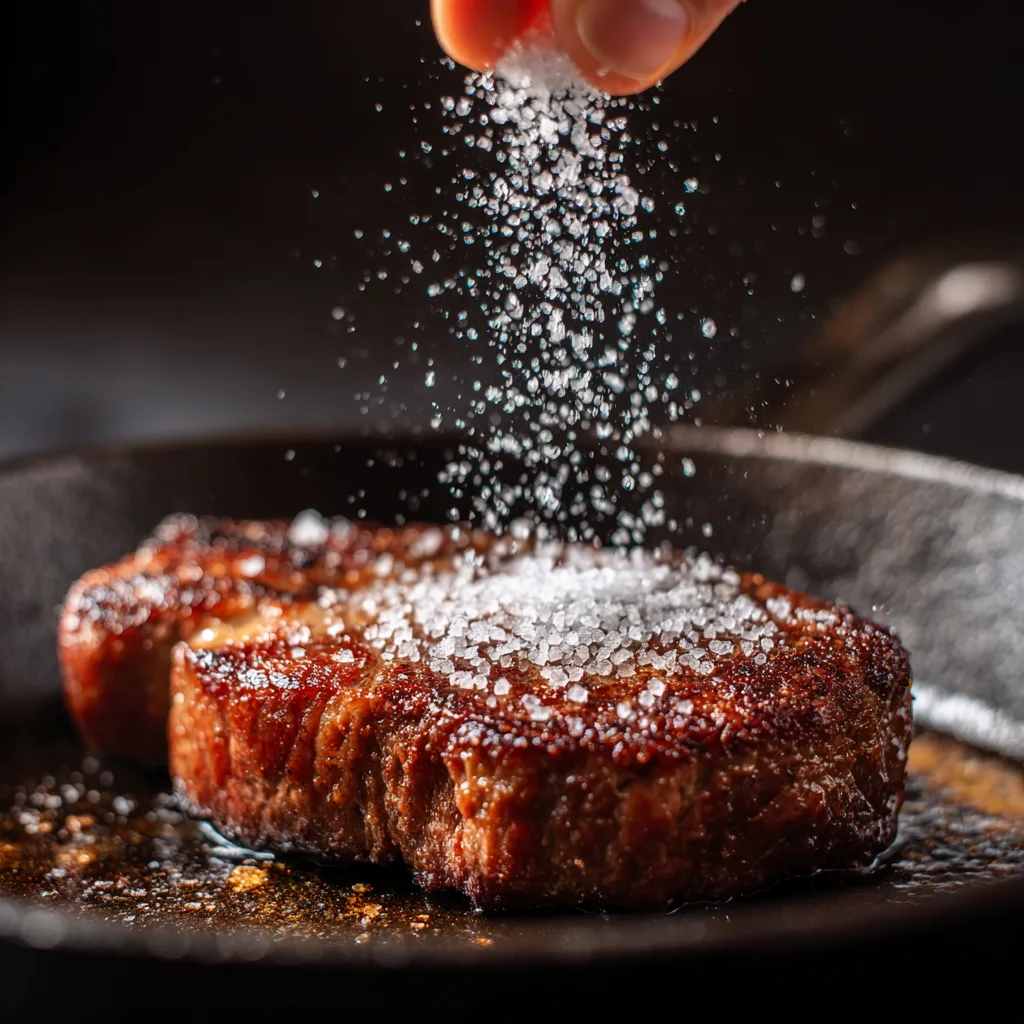
Use mineral-rich salts like Redmond Real Salt, Himalayan pink salt, or Celtic sea salt. Salting after cooking can help keep meats juicy, especially during batch prep.
Optional Seasonings for Relaxed Carnivore Meal Prep
If you follow a more relaxed carnivore approach, you may allow limited seasonings beyond salt, such as:
- Black pepper or peppercorns
- Herb-infused animal fats (for example, rosemary-infused tallow)
- Tiny amounts of dried herbs like thyme or oregano, if you tolerate them well
Keep these additions minimal and avoid anything that adds noticeable carbohydrates or digestive issues.
How to Season Organ Meats for Carnivore Diet
Organ meats are nutritional powerhouses but can have strong flavors. To make them more enjoyable:
- Soak liver in salted water for 1–2 hours before cooking
- Pan-sear organs quickly in tallow or butter and salt afterward
- Pair organ meats with fattier cuts like ground beef or ribeye to mellow the taste
- Relaxed carnivores can use a bit of butter to soften the flavor further
These simple tweaks make organ meat recipes carnivore-friendly and easier to incorporate into weekly prep.
Avoiding Hidden Carbs in Seasonings
Hidden carbs in sauces, spice blends, and commercial broths can quietly sabotage zero carb meal prep. Always check labels.
Avoid:
- Ready-made marinades
- Spice blends that include sugar, starch, or fillers
- Store-bought bone broth with vegetables or sweeteners
Instead, rely on homemade broth made from bones, water, and salt. It’s simple, clean, and fits both strict and relaxed carnivore styles.

Batch Cooking & Meal Prep Strategies
The core of a successful carnivore diet meal plan is efficiency—having meals ready that support your goals without cooking from scratch every day. That’s where batch cooking meat-based meals becomes invaluable. With one or two focused prep sessions each week, you can keep your fridge and freezer stocked with carnivore-friendly options.
This section will help you streamline your process and make carnivore meal prep ideas work with your schedule, whether you’re strict or relaxed.
Meat-Based Batch Cooking Fundamentals
Start with protein-dense ingredients that reheat well and can be used in multiple ways:
- Ground beef: Easy to cook, season, and portion
- Chuck roast or beef shoulder: Perfect for slow-cooking or pressure-cooking
- Ribeyes and other fatty steaks: Best seared fresh, but leftovers still reheat nicely
- Chicken thighs or drumsticks: Great for those who include poultry
- Beef liver or heart: Ideal in smaller batches mixed into ground meat
Cook in bulk using large pans, roasting trays, or slow cookers. This “cook once, eat many times” strategy saves time and decision-making.
Freezer-Friendly Carnivore Meals: Best Practices
For longer-term planning or tight schedules, freezer-friendly carnivore meals are indispensable:
- Cool meals completely before freezing to prevent ice crystals
- Use airtight, freezer-safe containers
- Label everything with name and date
- Freeze in individual portions for faster defrosting
Examples of excellent freezer-friendly carnivore meals:
- Seared ribeye strips stored in their own rendered fat
- Ground beef and liver mixtures
- Shredded beef shoulder with its cooking juices
- Chicken drumsticks with skin and salt
These reheat quickly in a skillet, oven, or microwave.
How Many Meals Per Week Should You Prep?
The right number of prepped meals depends on your lifestyle:
- Partial prep: Make 2–3 meats and plan for 2–3 days; great if you enjoy fresher cooking.
- Full-week prep: Prepare 4–5 dishes in larger quantities and freeze some portions.
If you juggle work, family, or a busy training schedule, full-week carnivore diet snack and meal prep routines can significantly reduce stress and off-plan eating.
Meal Prep on Carnivore Budget
You don’t need premium cuts to make carnivore meal prep work:
- Buy in bulk: ground beef, whole chickens, or turkey are usually cheaper
- Shop markdowns: look for discounted meats and cook or freeze them quickly
- Use organ meats: liver, heart, and kidney are ultra-nutritious and cost-effective
- Render your own tallow from beef trimmings instead of buying specialty fats
- Keep extras minimal: meat and fat provide most of what you need
With smart choices, a week of zero-carb meal prep can be surprisingly budget-friendly.
Recipe Ideas for 4–6 Servings
Carnivore meal prep doesn’t have to be repetitive. With thoughtful choices, you can enjoy a variety of textures and flavors while staying fully animal-based.
Zero Carb Breakfast Ideas Carnivore
For breakfast, you want quick, filling options that align with your prep:
- Scrambled beef and tallow: Brown 80/20 ground beef in tallow with salt, then portion into jars for easy reheating.
- Egg and beef muffin cups (relaxed): Combine eggs, ground meat, and a little cheese, then bake in silicone muffin molds.
- Bone marrow “boats”: Roast marrow bones ahead of time and reheat or enjoy cold straight from the bone.
- Liver pâté: Blend cooked liver with beef fat, chill, and portion into small ramekins.
Each idea is portable, fridge-friendly, and packed with nutrients.
Easy Carnivore Dinner Recipes Prep Ahead
Dinner is ideal for batch cooking:
- Ribeye cubes with suet and salt: Sear small steak cubes and pack with suet or rendered fat.
- Slow-cooked chuck roast: Toss a roast with tallow and salt into a slow cooker, shred once tender, and portion.
- Chicken thighs in duck fat (relaxed): Pan-crisp thighs in duck fat and freeze in small packs.
- Organ meat blend: Combine liver and ground beef in equal parts, cook gently, and season with salt.
These dinners offer high protein and fat and reheat beautifully.
Carnivore Diet Snack and Meal Prep
Snacks can support long days or training sessions:
- Homemade beef jerky: Thinly sliced beef, salted and dehydrated, without sugar or additives.
- Hard-boiled eggs (relaxed): Ideal grab-and-go protein.
- Crispy chicken skin chips: Roasted or air-fried skin stored in a dry container.
- Rendered fat cubes: Chilled tallow cubes as quick energy boosts.
- Bone broth gummies (relaxed): Set gelatin-based broth in molds for bite-sized collagen snacks.
These are excellent additions to carnivore diet snack and meal prep routines.
Ok to Include Dairy on Carnivore Meal Prep?
For relaxed carnivore meal prep, dairy can be a helpful bonus:
- Hard cheeses like parmesan, cheddar, or Manchego
- Full-fat heavy cream
- Unsalted butter or ghee
- Cream cheese used in small amounts in egg or meat mixtures
If you tolerate dairy well, these can add flavor and satiety. Those who prefer strict carnivore may choose to avoid it entirely.
Storage, Reheating & Safety
After investing time into batch cooking meat-based meals, proper storage is what keeps your carnivore meal prep ideas safe and tasty.
How Long Can You Keep a Prepped Carnivore Meal in the Fridge?
Most cooked carnivore meals last 3–4 days in the fridge when stored correctly:
- Let food cool slightly before refrigerating
- Use sealed meal prep containers for meat
- Label with preparation dates
- Avoid placing hot containers tightly stacked in the fridge
Organ meat recipes carnivore-specific, such as liver and kidney, are best eaten within about 48 hours.
Freezer-Friendly Carnivore Meals: What Works Best?
For longer storage, freezing is ideal:
- Cooked ground beef or beef-and-liver blends
- Slow-cooked beef shoulder or chuck roast
- Chicken thighs or drumsticks with skin
- Ribeye strips stored with extra rendered fat
Use freezer-safe containers or silicone bags, allow room for expansion, and consume within three months for best quality.
How Do You Store and Reheat Carnivore-Friendly Meals Safely?
- From the fridge: Reheat in a covered skillet or microwave until steaming hot.
- From the freezer: Thaw overnight in the fridge, then reheat as above.
Organ meats, in particular, should be reheated gently to avoid drying out or toughening.
Do You Need Special Containers for Carnivore Meat-Based Meal Prep?
Using suitable containers extends freshness and reduces hassle:
- Glass containers work best for reheating
- Silicone freezer bags save space in the freezer
- Heavy-duty BPA-free plastic containers are useful for on-the-go meals
If you like to prep zero carb breakfast ideas carnivore-style along with main dishes, divided containers can keep everything organized.
Troubleshooting & Long-Term Success
Long-term success with a carnivore diet meal plan depends on more than just cooking meat—it’s about building a lifestyle you can maintain.
Can Meal Prepping Help with Weight Loss on the Carnivore Diet?
Yes, structured zero carb meal prep can significantly support fat loss. When meals are prepped, you’re less likely to graze or reach for off-plan foods. You can also better control your fat-to-protein ratio and portion sizes, making it easier to stay within your desired intake while still feeling satisfied.
Transitioning: Strict Carnivore vs. Relaxed Carnivore Meal Prep
Strict carnivore meal prep includes only meat, salt, and water, focusing on elimination and simplicity. Relaxed carnivore meal prep adds eggs, dairy, and occasional non-sweet herbs or coffee. Some people move between both styles—using strict carnivore as a reset and relaxed carnivore for long-term sustainability and flexibility.
Keeping Variety and Nutrient Balance
Even in a meat-only framework, variety is possible and beneficial. Rotate different fatty cuts for carnivore diet such as beef, lamb, and poultry across the week. Include organ meat recipes carnivore-style at least a couple of times weekly, and experiment with cooking methods like grilling, roasting, and slow cooking. This keeps meals interesting and nutritionally well-rounded.
Common Carnivore Meal Prep Mistakes (and How to Fix Them)
- Overcooking organ meats, making them tough or chalky, solve this by cooking them quickly and gently.
- Using poor containers that let in air and cause freezer burn, fix with airtight, freezer-safe options.
- Forgetting to salt properly, resulting in bland meals, learn how to season meat on carnivore diet with enough salt and fat.
- Eating only one type of meat all week, plan your shopping so you rotate cuts and textures.
- Under-eating fat, make sure your prep includes fatty cuts that keep you full, like ribeye, lamb shoulder, or brisket.
When you address these issues, your carnivore meal prep ideas become a powerful foundation for a long-term lifestyle.
FAQ – Carnivore Meal Prep Ideas
What is the easiest way to meal prep on the carnivore diet?
The simplest approach is to batch cook a few fatty meats like ground beef, chuck roast, and ribeye in large quantities. Portion them into airtight meal prep containers for meat and store in the fridge or freezer. Keeping your routine repetitive and predictable makes it much easier to stay on track.
How many meals per week should I prep for a carnivore diet?
Most people find that prepping 5–10 meals works well, depending on how often they eat and how busy their schedule is. If you know you’ll have hectic work days or travel, preparing nearly a full week of batch cooking meat-based meals can prevent last-minute temptations. You can always start with fewer meals and adjust as needed.
Which meat cuts are best for carnivore meal prep?
Fatty cuts for carnivore diet like ribeye, chuck roast, lamb belly, and 80/20 ground beef are excellent because they reheat well and keep you satisfied. These cuts offer a strong fat-to-protein ratio that supports energy without carbs. You can also mix in organ meats or chicken thighs for added variety.
Can you include dairy in a carnivore meal prep plan?
Yes, in a relaxed carnivore meal prep style, you can include dairy such as cheese, butter, or heavy cream if you tolerate it. These add richness and can make certain dishes more enjoyable or filling. Strict carnivore, however, typically avoids dairy altogether.
Is it okay to batch-cook organ meats for a carnivore diet?
It is absolutely fine to batch-cook organ meats like liver or kidney, as long as you store them properly and eat them fairly quickly. Organ meat recipes carnivore-style are usually best consumed within 1–2 days from the fridge, or frozen soon after cooking. Gentle reheating helps preserve both texture and nutrients.
How do you store and reheat carnivore-friendly meals safely?
Store your cooked meals in sealed glass or BPA-free containers, and make sure they’re fully cooled before refrigeration. For reheating, use a skillet over medium heat or a microwave until the food is steaming hot. Avoid refreezing thawed meats and follow basic food safety to keep meals safe and enjoyable.
What are low-budget carnivore meal prep ideas?
Low-budget options include buying ground beef, whole chickens, beef shoulder, or lamb leg in bulk and using organ meat recipes carnivore-style to stretch nutrition further. Rendering your own tallow from trimmings and reusing bones for broth also saves money. With smart planning, you can build filling meals without relying on expensive cuts.
Can meal prepping help with weight loss on the carnivore diet?
Yes, meal prepping is a powerful tool for weight loss on carnivore because it removes guesswork and impulsive eating. Having ready-made, portioned meals helps you stick to your intended intake of fatty cuts and protein. It also reduces the urge to snack or order out when you’re tired or busy.
What’s the difference between strict vs relaxed carnivore meal prep?
Strict carnivore meal prep uses only meat, salt, and water, focusing on maximum simplicity and elimination. Relaxed carnivore meal prep allows for extras like eggs, dairy, and minimal spices while still remaining heavily animal-based. Both can work; the best choice depends on your specific goals and how your body responds.
How do you season meat on a carnivore diet without adding carbs?
Use mineral-rich salt, natural animal fats like tallow or butter, and keep seasonings very simple. Avoid sauces and spice blends that contain sugar or starch. When you master how to season meat on carnivore diet with salt and fat alone, you’ll find the flavor surprisingly satisfying.
What are good freezer-friendly carnivore meals to prep ahead?
Great freezer-friendly carnivore meals include seared steak cubes stored in fat, shredded beef shoulder, ground beef and liver blends, and skin-on chicken thighs. These foods keep their texture and flavor well once thawed. They’re ideal for quick reheats on busy days.
Do you need special containers for carnivore meat-based meal prep?
While you don’t need anything fancy, using quality meal prep containers for meat makes a big difference. Glass containers, silicone freezer bags, or sturdy BPA-free containers help maintain freshness and make reheating easier. Good containers also keep your fridge organized and your prep routine efficient.
What snacks should be prepped for the carnivore diet?
Some great options for carnivore diet snack and meal prep are beef jerky, hard-boiled eggs (if included in your version), crispy chicken skin, rendered fat cubes, and sips of homemade bone broth. These snacks are easy to store and can keep you satisfied between meals. Having them on hand reduces the likelihood of reaching for off-plan foods.
What breakfast ideas work for carnivore meal prep?
Zero carb breakfast ideas carnivore-style include ground beef with eggs, marrow bones, or liver pâté spread over slices of cold roast meat. These options can be made in advance and quickly reheated or eaten cold. They’re simple, filling, and fit perfectly into a carnivore meal prep routine.
How long can you keep a prepped carnivore meal in the fridge?
In general, cooked carnivore meals stay safe for about 3–4 days in the fridge when stored properly in sealed containers. Organ-heavy dishes are best consumed within 2 days or frozen shortly after cooking. If you need meals to last longer, freezing is a better option than stretching fridge time.
Conclusion
Following a carnivore diet doesn’t have to feel complicated, expensive, or overwhelming. With the right strategies and tools, you can build carnivore meal prep ideas that simplify your week, support your health, and keep you satisfied. Whether you favor strict carnivore or a more relaxed variation, batch cooking meat-based meals helps you stay consistent and in control.
Focus on fatty cuts for carnivore diet success, weave in organ meat recipes carnivore-style, and don’t hesitate to freeze portions or prep snacks ahead. Over time, these simple habits turn the carnivore lifestyle into something effortless, enjoyable, and sustainable.
If you enjoy straightforward, nourishing recipes, follow Carnivoremovement on Facebook for daily wellness inspiration and natural remedy ideas.
For more visual inspiration and beautifully curated health-boosting drinks, explore Carnivoremovement on Pinterest and discover your next feel-good favorite.