A carnivore Breakfast ideas diet consists of animal-based foods like eggs, meats, and dairy that deliver high protein and fat with zero plant-based ingredients. These breakfast ideas help support weight loss, mental clarity, and sustained energy throughout the day.
You’ll find simple and hearty meals using staples like steak, eggs, ground beef, and organ meats, ideal for anyone following a meat-based, low-carb lifestyle. Whether you’re craving carnivore muffins, a juicy omelette, or a hearty beef scramble, this guide covers it all.
How to Make It: A basic carnivore breakfast includes pastured eggs, fatty cuts of beef or pork (like ribeye or bacon), and optional dairy such as hard cheese. Just fry or scramble them in tallow or butter, season lightly, and enjoy a high-satiety start to your day.
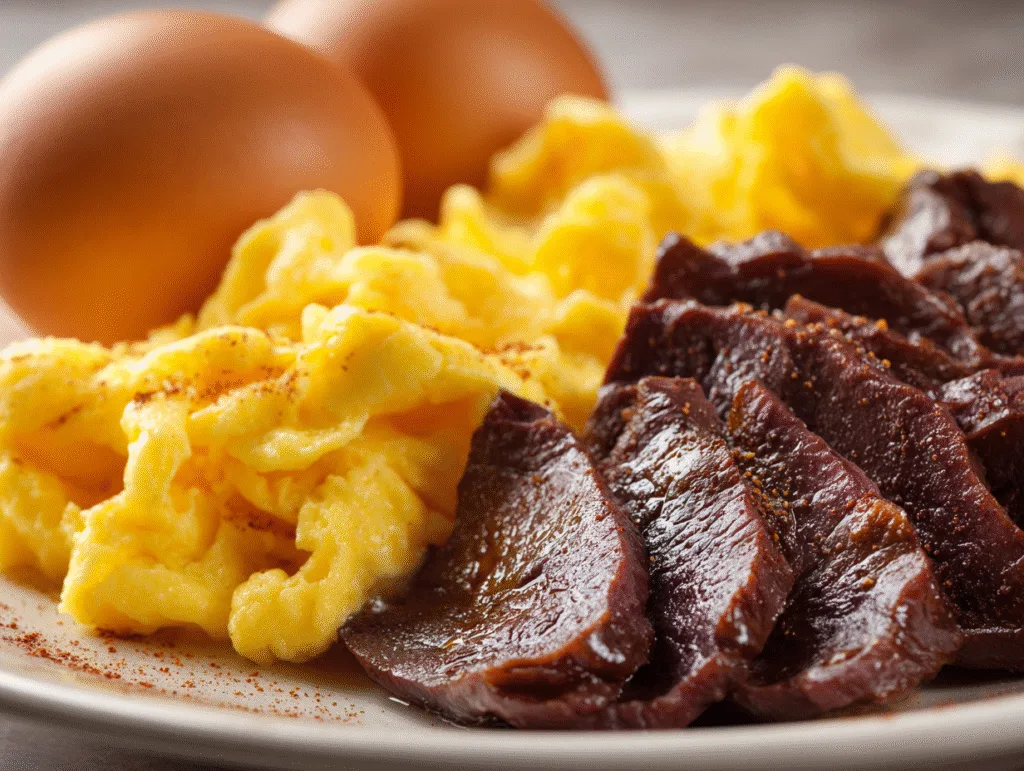
A rich carnivore breakfast pairing soft scrambled eggs with sliced beef liver.Table Of Content
In This Recipe
1. What Is a Carnivore Diet Breakfast?
A carnivore diet breakfast is a morning meal composed exclusively of animal-based foods. That means no fruits, vegetables, grains, or plant oils only foods derived from animals. This includes all cuts of meat, organ meats, eggs, full-fat dairy (if tolerated), and animal fats such as butter, tallow, and lard.
1.1 Defining the Carnivore Diet
The carnivore diet is a strict form of low-carb eating that eliminates all plant-based foods in favor of animal-based nutrition. It’s often seen as an evolution of the ketogenic diet but removes even trace carbohydrates from the plate. A typical day on the carnivore diet includes meats, eggs, and sometimes aged cheeses or bone broth.
Breakfast on this plan isn’t just a time to eat, it’s a strategic part of fueling the body with high-quality fats and proteins to optimize mental clarity, metabolic health, and satiety.
Animal fats: Ghee, tallow, lard, butter for cooking or flavor.
Organ meats (optional): Liver, heart, kidney – nutrient-dense powerhouses.
Dairy (if tolerated): Hard cheeses, heavy cream, or Greek-style yogurt without additives.
1.3 What’s Excluded
No plant oils (e.g., olive, avocado, canola)
No grains, legumes, or starches
No fruits or vegetables
No plant-derived sweeteners or sugars
This simplicity is one of the carnivore diet’s biggest advantages, especially at breakfast, where convenience and routine help ensure long-term consistency.
1.4 How It Differs from Keto or Paleo Breakfasts
Feature
Carnivore
Keto
Paleo
Carbs Allowed
0g (None)
<50g/day (very low)
100-150g/day (moderate)
Food Variety
Animal-only
Animal + Plants
Animal + Fruits/Veggies
Dairy
Optional
Allowed (limited)
Often avoided
Plant Oils
Excluded
Allowed (e.g. olive oil)
Allowed
Carnivore eliminates all plant matter, whereas keto and paleo incorporate plant foods to varying degrees. This makes carnivore breakfasts uniquely simplified but also uniquely rich in bioavailable nutrition.
2. Why Breakfast Matters on the Carnivore Diet
Skipping breakfast is common in many diet trends, especially intermittent fasting. However, on a carnivore diet, eating a nutrient-dense breakfast can offer powerful benefits. Starting your day with animal-based fuel sets the tone for sustained energy, blood sugar stability, and optimal satiety.
2.1 Restores Nutrient Stores After Overnight Fast
After 8+ hours of fasting overnight, your body wakes up in a state where glycogen stores are low, cortisol levels are rising, and your brain needs fuel. A carnivore breakfast delivers amino acids and fats that:
Replenish essential nutrients like B12, iron, and zinc
Activate metabolism without glucose spikes
Provide dopamine-building tyrosine and tryptophan for mood and focus
2.2 Promotes Stable Energy and Focus
Unlike carb-based breakfasts that can trigger blood sugar crashes, meat-based meals promote consistent energy. The steady fat and protein intake:
Minimizes insulin spikes
Increases satiety hormones (like peptide YY and leptin)
Enhances mental clarity without caffeine overload
This makes carnivore breakfasts ideal for high-performing professionals, parents, and anyone who values productivity early in the day.
Consuming fat and cholesterol-rich foods like eggs, beef, and liver at breakfast:
Helps support sex hormone production (e.g., testosterone, estrogen)
Regulates appetite signals naturally
Reduces the urge to snack later
When your first meal is high in bioavailable nutrients, your body gets what it needs and doesn’t beg for more. That means fewer cravings and more food freedom.
2.4 Enhances Adherence to the Carnivore Lifestyle
Having a consistent, satisfying breakfast makes it easier to stick with the carnivore diet long-term. Instead of decision fatigue or cravings, you begin your day with a routine that reinforces success.
Many long-term carnivore dieters report that their most consistent meals are breakfasts because they’re fast, filling, and enjoyable.
A flat lay collection of eggs, ribeye steak, cheese, cream, and butter — core staples of the carnivore diet.
3. Nutritional Benefits of a Carnivore Breakfast
A carnivore breakfast isn’t just about simplicity, it’s a dense nutritional powerhouse. Animal-based foods offer some of the most bioavailable sources of essential nutrients, especially when consumed early in the day.
3.1 Complete Proteins for Muscle Repair and Energy
Animal proteins provide all nine essential amino acids in ideal ratios. Starting your day with 30–50 grams of high-quality protein supports:
Muscle protein synthesis
Tissue repair and recovery
Long-lasting energy
Top Sources: Ribeye steak, ground beef, eggs, lamb, turkey.
3.2 Fat-Soluble Vitamins
Fatty meats and eggs are rich in vitamins A, D, E, and K2. These vitamins:
Support hormone production
Strengthen immunity
Promote bone health
Carnivore meals cooked in tallow or ghee ensure optimal absorption.
3.3 Minerals You Might Miss on Other Diets
Carnivore breakfasts provide critical minerals that are often under-consumed:
Iron (heme form): Absorbed up to 3x better than plant iron
Zinc: Essential for DNA repair, hormones, and immunity
Magnesium: Supports sleep, mood, and muscle function
Selenium & Phosphorus: Found in organ meats and eggs
3.4 Brain-Boosting Nutrients
Breakfast meats like liver, eggs, and sardines are rich in:
Choline: Vital for memory and neurotransmitters
DHA/EPA: Anti-inflammatory omega-3s for brain and heart
Creatine: Enhances focus and physical performance
3.5 Gut-Friendly Fats and Zero Antinutrients
A carnivore breakfast avoids plant antinutrients like lectins and oxalates, which can irritate digestion. Instead, it offers:
Gut-healing saturated fats
No bloating or fiber-triggered discomfort
A smoother digestive experience overall
4. Essential Ingredients to Stock Your Carnivore Kitchen
Creating a delicious and consistent carnivore breakfast starts with the right ingredients. With a well-stocked fridge and pantry, you can mix and match meals in minutes, without relying on processed options or packaged foods.
4.1 Core Proteins to Always Have on Hand
Here are the foundational meats you’ll use daily:
Ground beef (80/20 or fattier) – Versatile, affordable, and ideal for scrambles or patties
Ribeye steaks – Rich in fat and flavor; perfect for hearty breakfasts
Bacon (sugar-free) – Adds crunch and salt; use as garnish or main
Eggs (pasture-raised) – Nutrient-rich and endlessly adaptable
Beef liver (frozen or fresh) – Nutrient-dense, even in small amounts
4.2 Animal Fats for Cooking
Instead of plant oils, rely on:
Beef tallow – High smoke point and clean taste
Ghee or clarified butter – Rich flavor and shelf-stable
Duck fat or lard – Adds variety and mouthfeel to your breakfasts
These fats enhance flavor and help with the absorption of fat-soluble vitamins.
4.3 Optional Extras (If Tolerated)
For those less strict or seeking variety:
Aged cheeses (e.g., cheddar, Parmesan) – Rich in calcium and protein
Heavy cream or full-fat Greek yogurt – Great in coffee or as a fat boost
Bone broth – Sipping hot broth first thing soothes digestion and supports joints
4.4 Tools That Make It Easier
Equip your kitchen with:
Cast iron skillet or stainless steel pan
Instant Pot or slow cooker
Meat thermometer (especially for steaks)
Blender (for raw egg smoothies or bone broth frothing)
These tools simplify prep and help you stay consistent, especially during rushed mornings.
5. 10 Powerful Carnivore Breakfast Ideas to Kickstart Your Day
When you follow a meat‑based lifestyle, finding breakfast ideas that excite you is key. Here are ten powerful carnivore breakfast ideas you can rotate through, each built to keep things simple, satisfying, and nutrient‑dense for your carnivore meal plan.
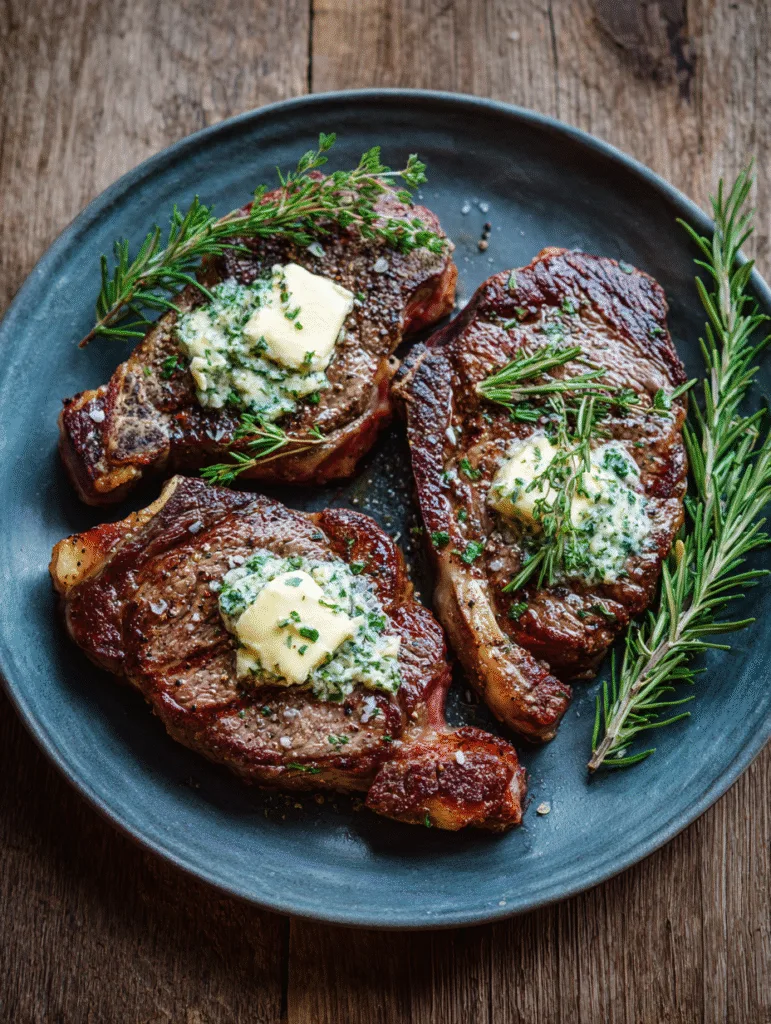
5.1 Steak & Eggs Classic
Begin with a hearty cut of beef and eggs, think ribeye or sirloin paired with two to three pasture‑raised eggs. The high‑quality protein supports muscle repair and long‑lasting energy, while the animal fats fuel you rather than quick carbs. Cooking tip: Bring steak to room temperature, sear in beef tallow, rest for five minutes, then cook the eggs in the same pan for flavor.
5.2 Ground Beef & Egg Scramble
This option is fast, flexible, and perfect for busy mornings. Brown ground beef (80/20 or higher fat content) in a skillet, add beaten eggs, and cook together until just set. Add a pinch of salt and maybe a sprinkle of hard cheese if you’re including dairy. This method allows you to change up the flavor by using different herbs/spices (if your version permits) but remain in a strictly animal‑based framework. check details on Ground Beef and Egg Scramble.
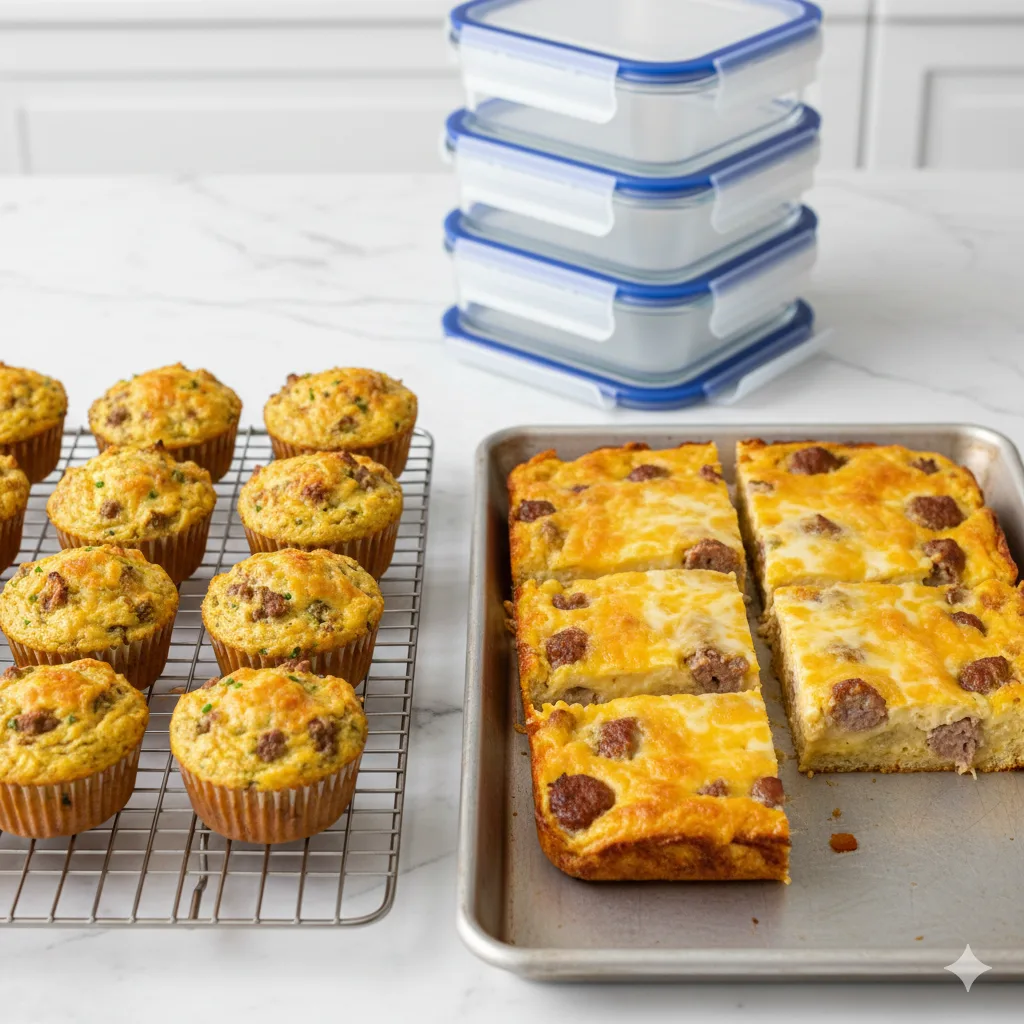
5.3 Carnivore Breakfast Muffins
Make‑ahead muffins made of eggs, minced meat (such as bacon bits or ground sausage), and shredded hard cheese (if tolerated). Bake in a muffin tin, then refrigerate, perfect grab‑and‑go breakfasts for the week. They offer convenience without sacrificing nutritional density.
5.4 Sausage & Cheese Bake
Sheet‑pan or casserole‑style bake with sugar‑free sausages, eggs, and cubes of hard cheese. Bake until set and golden. Slice into portions and store for multiple days. Minimal prep, maximum effect. Check details on Sausage and Cheese Bake.
5.5 Omelette with Premium Meat
Build your omelette with three eggs and diced steak or bacon, maybe grated cheese, folded carefully. The omelette gives you a bit of flair while staying on‑point with animal‑based nutrition. Check details on Carnivore Omelette.
5.6 Beef Liver & Eggs
When you include organ meats, you get a higher nutrient yield. Try sautéing thin slices of beef liver in butter or tallow, then serve alongside fried or scrambled eggs. You’ll get iron, B‑vitamins, and choline in a concentrated form. Use portions you’re comfortable with, many people start with half the volume of standard meat.
5.7 Leftover Meaty Hash
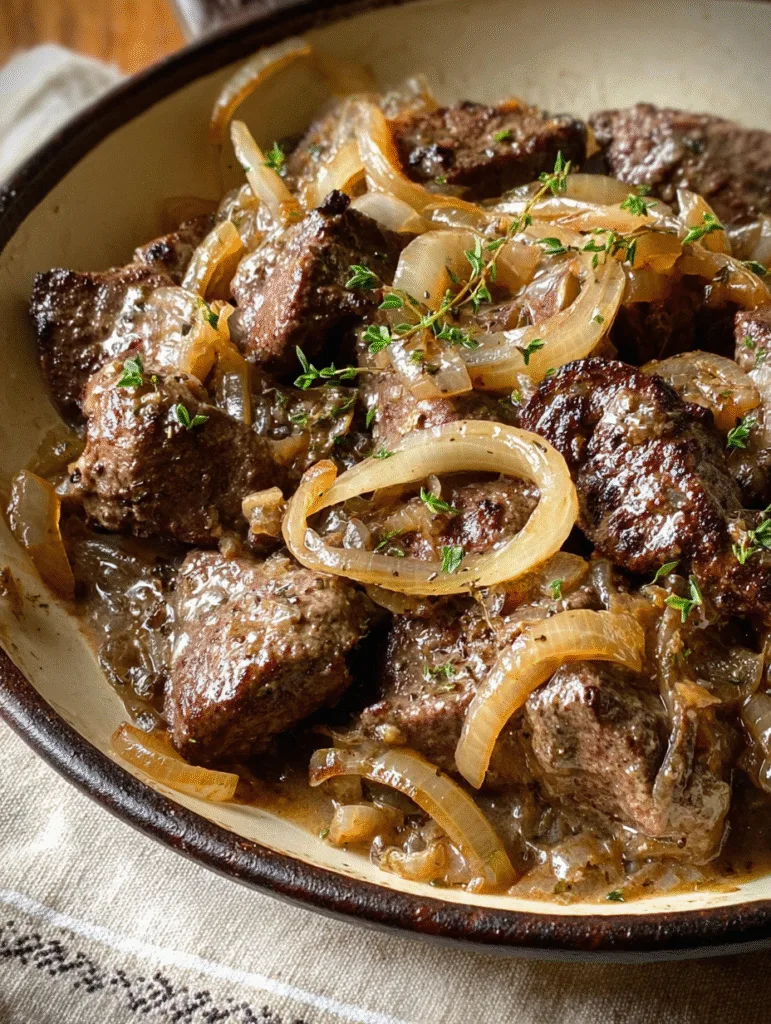
Utilize leftover steak, roast beef, or brisket. Chop it, warm it in a skillet with beef tallow or butter, then add eggs and cook until you have a hash‑style texture. This helps prevent food waste and keeps breakfasts interesting.
5.8 Salmon & Eggs (Animal‑Based Variation)
While some versions of carnivore emphasize red meat, fish (especially fatty fish) can be part of an animal‑based plan. Try smoked or pan‑seared salmon with two eggs. Add a knob of butter for richness. This gives you omega‑3s along with protein. Note: Make sure you tolerate fish and this fits your chosen version of carnivore.
5.9 Bacon & Egg “Sandwich” (No Bread)
Use thick‑cut sugar‑free bacon slices as the “bread” (one top, one bottom) and put a fried egg and maybe a slice of cheese in the middle. It’s fun, fast, and fits a meat‑first breakfast style.
5.10 Bone Broth & Meat Combo
Start your morning with a cup of warm bone broth (collagen, minerals) followed by a meat‑based main (e.g., ribeye or sausage + eggs). This combo gives hydration, amino acids, and fats in a structured routine.
5.11 (Bonus) Variety Rotation Strategy
To keep your routine sustainable you need variety. Rotate between the above ideas so your body and palate don’t get bored. Create a schedule like:
Monday: Steak & Eggs
Tuesday: Ground Beef Scramble
Wednesday: Muffins
Thursday: Sausage Bake
Friday: Omelette
Saturday: Liver & Eggs
Sunday: Hash or Salmon & Eggs
Key Takeaways
Using high‑fat meats first thing increases satiety and curbs cravings.
Prepping ahead (muffins, bake) ensures you stay consistent.
Organ meats or fish are optional but useful for nutrient diversity.
Variety keeps long‑term adherence easier.
How to Customize Your Carnivore Mornings
6.1 Build Your Perfect Carnivore Breakfast Routine
You’ve got the backbone of your meal in meat, eggs and fat, but making it yours means dialing in timing, portion sizes and variety. Start by deciding whether you’ll:
Eat immediately after waking (to replenish nutrients after the overnight fast)
Delay breakfast slightly (if you’re combining with intermittent fasting)
Or have a two‑phase start: a small portion (like bone broth) then a larger meat‑rich plate.
Then adjust your portion sizes based on your activity level. For example:
Moderate morning (desk job) → 8 oz steak + 3 eggs
High‑activity morning (workout, manual labor) → 12 oz steak + 4 eggs + bacon side
Staying motivated means eating what you truly enjoy. Swap items and textures:
Swap steak for lamb or pork chop.
Try scrambled, fried, or poached eggs.
Use different animal fats (duck fat, lard).
If tolerated: add hard cheese or cream for a richer texture.
Change cooking methods: skillet, oven‑baked, or even a slow‑cooked roast for your breakfast plate. This keeps your carnivore breakfast ideas fresh and aligned with your taste preferences.
6.4 Consider Tolerance and Adaptations
Everyone responds differently to animal‑rich breakfasts. Pay attention to how you feel:
Energy levels after 1–2 hours.
Digestive comfort, some need more fat, others less.
Satiety after 4–6 hours.
If you notice low energy or hunger creeping back, try increasing fat or adding a second smaller animal‑based portion later in the morning. If you feel overly full or lethargic, reduce fat slightly or mix in a leaner meat. Also, if you’re new to the carnivore meal plan, ease in by starting with simpler breakfasts (e.g., the “ground beef & egg scramble” from Ground Beef and Egg Scramble before ramping up to richer options.
6.5 Weekly Planning & Prep for Success
Consistency matters. Use weekly planning to streamline:
Choose 2 – 3 breakfast formats per week (e.g., omelette with premium meat from [Internal Link Placeholder – Cluster #2], sausage & cheese bake, and steak & eggs).
Prep ahead: bake a batch of muffins, slice steaks or defrost organ meats.
Use a rotation schedule so your menu remains enjoyable and manageable.
Keep a go‑to ingredient list stocked (see Section 4) to avoid last‑minute scrambling.
6.6 Tracking What Works and Tweaking Your Approach
After a week or two, pause and evaluate:
How often did you feel energized vs. dragging?
How long did you feel full after breakfast?
Did you experience cravings or hunger pangs?
Did you enjoy your meals or dread them?
Record your findings and make small adjustments next week, maybe switch a sausage & cheese bake for beef liver & eggs or rotate in a salmon & eggs option. The goal is long‑term adherence, not perfect rigid rules.
Make-ahead carnivore muffins and a sausage egg breakfast casserole.
7. Carnivore Breakfast Ideas FAQs
1. What are the best carnivore breakfast ideas when starting out?
When you’re new to a meat‑based breakfast routine, choose simple, high‑value meals such as a ground beef and egg scramble or steak and eggs. These require minimal prep yet deliver key nutrients and satiety. Over time you can expand into baked options like the muffins or sausage‐cheese bake. More details about it in the following article Steak and eggs breakfast.
2. Can I include dairy in my carnivore breakfast?
Yes, but only if you tolerate it. Full‑fat hard cheeses or heavy cream are optional extras. They can provide calcium and fat but plant elimination remains the core. If you’re sensitive, keep breakfast strictly meat, eggs, and fats.
3. How soon after waking should I eat a carnivore breakfast?
Aim to have your breakfast within 1 to 2 hours of waking, especially if you’ve crossed an overnight fast. That helps replenish amino acids and kickstart metabolism. If you’re practising intermittent fasting, you can delay longer—but focus on nutrient‑dense animal foods when you do.
4. What if I feel overly full or still hungry after a carnivore breakfast?
If you feel fatigued or bloated, reduce fat or portion size. If hunger returns too soon (within 2‑3 hours), increase the fat content or include a second smaller meat‑based snack later. Adjust according to your body’s response.
5. Are organ meats necessary for a carnivore breakfast?
Not strictly. They’re a high‑nutrient addition (iron, B‑vitamins, choline) but many follow the diet without them. You can rotate liver or heart in occasionally for variety and nutrient boost without making them every day.
6. How do I minimize boredom with carnivore breakfasts?
Mix formats (scramble, omelette, bake, steak), change meats (beef, lamb, pork, fish) and fat sources (tallow, duck fat, butter). Pre‑prep items like muffins or bakes for convenience and to keep variety high. Check it ou on Carnivore Breakfast Muffins, Sausage and Cheese Bake.
7. Is it okay to drink coffee or tea with my carnivore breakfast?
Yes, most people include black coffee or plain tea without issue. Avoid sugary add‑ins or non‑animal sweeteners. If you add heavy cream and tolerate dairy, that’s acceptable too.
Conclusion
Incorporating consistent, nutrient‑rich carnivore breakfasts sets the tone for your entire day. By choosing meals built around quality animal proteins, fats, and eggs, you optimise satiety, energy, and metabolic health. Your carnivore breakfast ideas become the anchor of a meat‑first lifestyle that supports performance, resilience and long‑term sustainability.
Ready to dive into more specific recipes? Explore each of the cluster articles for practical, delicious formats you can rotate through :
Remember, the key is consistency, enjoyment and adaptation. If you love this approach and want more inspiration, follow our community on Facebook and Pinterest for daily meal ideas and cooking tips.
Take action: Choose two recipes this week from the ones above. Prep one ahead. Notice how your energy, mood and full‑ness feel across the morning. Then tweak and refine. You’ll find your best breakfast blueprint.
Key Takeaways
Carnivore breakfasts focus exclusively on animal‑based foods, meat, eggs, fats.
They deliver high‑bioavailability nutrients for muscle, brain and hormonal health.
A simple rotation of formats like steak & eggs, scrambles and bakes supports variety and adherence.
Customising portion size, timing and fat content ensures your breakfast works for your day.
Tracking response (satiety, energy, mood) helps you refine your approach for long‑term success.