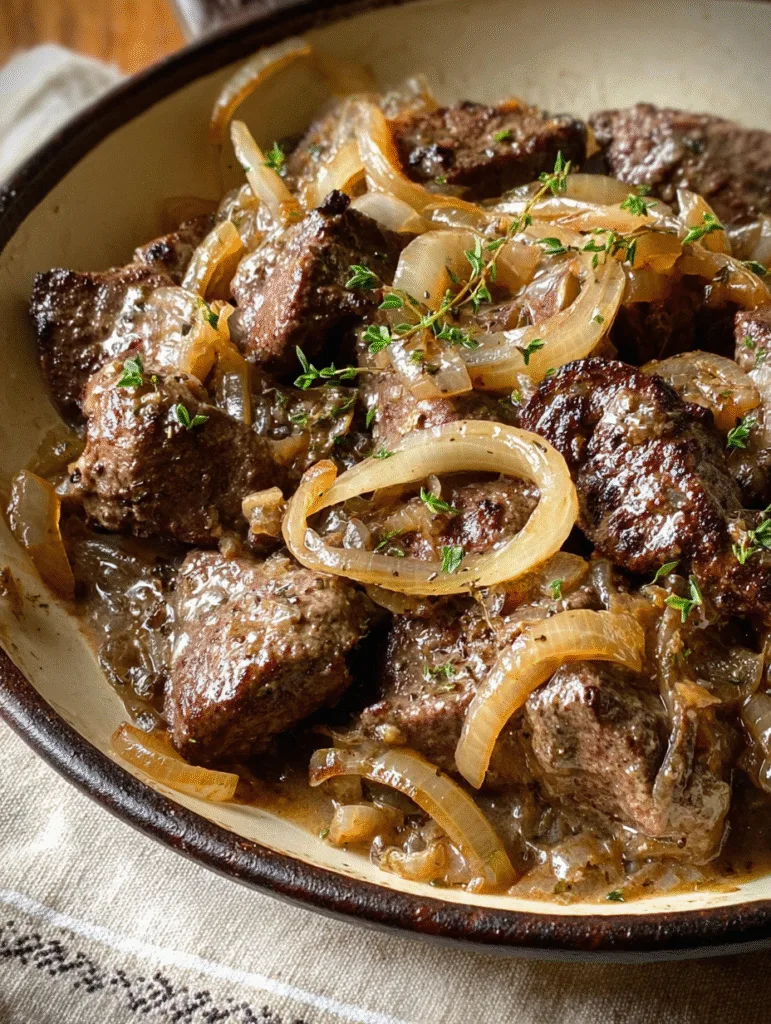
Beef Liver and Onions is a nutrient-dense dish packed with protein, iron, and essential vitamins, making it a popular choice among carnivore dishes. This classic beef liver recipe combines rich, savory organ meat with caramelized onions for a flavorful and filling meal. Whether you’re learning how to cook beef liver for the first time or looking for ways to make tender beef liver without bitterness, this guide covers everything you need.
Soaking the liver, choosing the right seasoning, and cooking it just right are key steps to creating a delicious liver and onions dinner. This meal is not only satisfying but also ranks high for those following nutrient-focused eating plans, including carnivore or low-carb diets.
How to Make: To prepare beef liver and onions, soak sliced liver in milk to reduce bitterness, then pan-fry it quickly with olive oil or butter. Cook sliced onions separately until caramelized, then combine and serve hot for the best texture and flavor.
In This Article
In This Recipe
How to Make Beef Liver and Onions At Home
Beef liver and onions is more than just a traditional dinner, it’s a nutrient-rich staple that brings bold flavor and incredible health benefits to your table. If you’ve never cooked organ meat before, or your past attempts left you with chewy or overly strong results, this guide will change your approach entirely.
Making tender beef liver begins with understanding the preparation process. Liver is an organ meat that naturally carries a robust, slightly metallic flavor due to its high iron content. When cooked improperly, it can become rubbery and off-putting. However, with the right techniques, such as soaking, slicing thin, and quick searing, you can transform it into a savory, satisfying dish.
You’ll also learn how the sweetness of caramelized onions acts as the perfect counterbalance to liver’s richness, making it more approachable even for picky eaters. Many who were hesitant to try liver often become fans after their first well-cooked bite. This combination isn’t just flavorful, it’s deeply nourishing, packed with protein, iron, and vitamin B12, making it a powerhouse meal for anyone looking to fuel their body.
Whether you’re focused on nutrient-dense organ meat, exploring carnivore dishes, or simply curious about how to cook beef liver that’s not tough or bitter, this step-by-step breakdown has you covered. Explore our Carnivore Diet Food List to see where liver fits into a complete nose-to-tail plan.
By the end of this guide, you’ll feel confident selecting quality liver, prepping it correctly, cooking it to tender perfection, and serving it in a way that’s both comforting and nutrient-rich.
Next, let’s explore why beef liver is one of the most nutrient-dense foods available, and why it belongs in your kitchen rotation.
PrintGrandma-Style Beef Liver and Onions Recipe
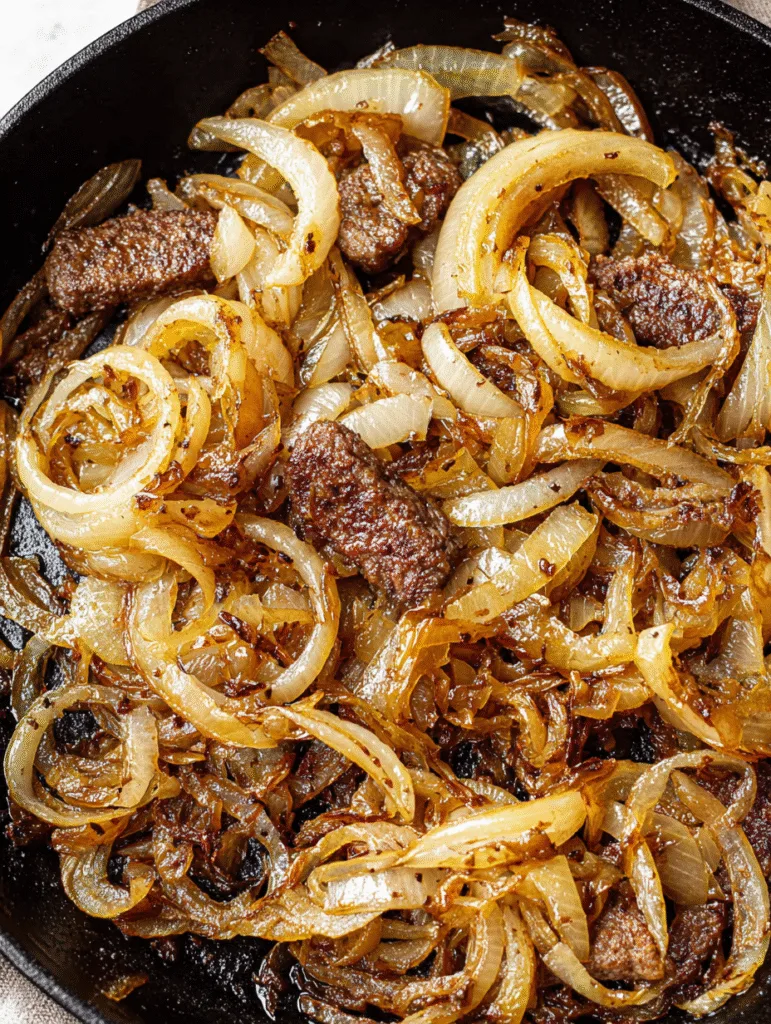
This classic beef liver and onions recipe delivers a rich, savory, and nourishing dish using old-fashioned techniques for modern health goals. It’s a perfect dinner for those seeking tender beef liver without bitterness, all while packing in serious nutrients.
- Prep Time: 10 minutes (plus soaking)
- Cook Time: 15 minutes
- Total Time: 1 hr 30 min – 2 hr 15 min
- Yield: 4 servings
- Category: Main Dish
- Method: Pan-fried
- Cuisine: American
Ingredients
-
1 pound beef liver, sliced ¼ inch thick
-
1 cup whole milk (or unsweetened plant-based milk)
-
2 medium yellow onions, thinly sliced
-
2 tablespoons olive oil or butter
-
1 teaspoon garlic powder
-
½ teaspoon onion powder
-
½ teaspoon smoked paprika
-
½ teaspoon dried thyme
-
Salt and freshly ground black pepper, to taste
-
Fresh parsley (optional, for garnish)
Instructions
-
Soak the liver: Place sliced liver in a shallow bowl and cover with milk. Let soak for 1 to 2 hours in the fridge.
-
Caramelize onions: In a large skillet over medium heat, add 1 tablespoon of oil. Cook sliced onions for 10–12 minutes until golden brown. Remove from pan and set aside.
-
Prep the liver: Rinse soaked liver under cold water and pat dry thoroughly with paper towels.
-
Season: Sprinkle both sides of each slice with garlic powder, onion powder, paprika, thyme, salt, and pepper.
-
Sear: In the same skillet, add remaining oil and heat over medium-high. Add liver slices in a single layer. Cook for 3–5 minutes per side, flipping once, until browned and slightly pink inside.
-
Combine: Return onions to skillet, gently stir, and warm through for 1 minute.
-
Serve: Garnish with parsley and serve hot.
Notes
-
Avoid overcooking to keep liver tender.
-
If using calf liver, reduce soak time to 30–45 minutes.
-
Leftovers can be stored in an airtight container for 2–3 days, though best enjoyed fresh.
The Nutrition Power of Beef Liver: Why This Dish Is More Than Just Flavor
When it comes to nutrient-dense organ meat, beef liver is in a league of its own. This ingredient isn’t just another protein source, it’s one of the most concentrated natural sources of essential vitamins and minerals you can put on your plate. Whether you’re following a carnivore diet, looking to improve energy levels, or managing iron deficiency, adding beef liver to your routine can be a game changer.
Packed With Nutrients Your Body Craves
Beef liver is rich in iron, vitamin A, B vitamins (especially B12), folate, zinc, copper, and high-quality protein. In fact, it’s one of the few foods that checks nearly every box in terms of micronutrient density.
- Iron: Just one serving provides more than half your daily iron needs, especially important for those prone to anemia or low energy.
- Vitamin A: Supports healthy skin, immune function, and vision.
- Vitamin B12: Critical for red blood cell formation and neurological health.
- Folate & Riboflavin: Help support metabolic function and cell regeneration.
- Protein: Each serving contains roughly 20–25g of protein, supporting muscle repair, satiety, and strength.
For those on restrictive or elimination-style diets, like the carnivore or ketogenic approach, beef liver is a reliable, whole-food multivitamin. Our Carnivore Diet Meal Plan includes liver as a foundational nutrient source for optimal energy and health.
Compared to Muscle Meats: Liver Wins on Micronutrients
While traditional beef cuts like steak or ground beef are high in protein, they don’t come close to the micronutrient density of liver. That’s what makes liver and onions such a popular liver and onions dinner recipe among those focused on getting maximum nutrition from real food.
Unlike supplements, liver provides nutrients in their most bioavailable form, meaning your body absorbs and uses them more effectively. That’s why many nutritionists refer to liver as “nature’s multivitamin.”
Ideal for Carnivore Dishes and Low-Carb Lifestyles
If you’re exploring carnivore dishes or focusing on ancestral eating, beef liver should be a top choice. It’s low in carbohydrates, high in fat-soluble vitamins, and works well as part of a weekly rotation with other organ meats or muscle cuts.
Eating organ meats like liver 1–2 times a week can fill nutritional gaps that other animal-based foods might not cover alone. For individuals who avoid plant foods or limit carbs, this is especially valuable.
Pairing liver with these Best Cuts of Meat for the Carnivore Diet ensures variety and complete nutrient coverage.
A Small Serving Goes a Long Way
Because it’s so nutrient-rich, you don’t need to eat large portions to reap the benefits. A 3–4 oz cooked serving (about 100–115g) offers powerful nutritional value. It’s a smart option if you’re aiming for nourishment without excess calories or volume.
Whether you’re aiming to boost your iron levels, eat more clean protein, or incorporate more tender beef liver into your weekly meals, this organ meat has a lot to offer, without needing to take supplements.
Why Soaking and Proper Prep Matter: How to Avoid Bitter Taste and Chewy Texture
Many home cooks are hesitant to try beef liver because of its bold flavor or unpleasant texture. But the real secret to a successful liver and onions dinner lies in the prep. Soaking and slicing aren’t optional steps, they’re essential for transforming beef liver into a tender, flavorful meal.
Why Beef Liver Sometimes Tastes Bitter
Beef liver naturally contains iron-rich blood and compounds that can create a strong, metallic, or bitter flavor. This is especially noticeable if the liver comes from a mature animal or hasn’t been properly handled before cooking.
These compounds aren’t harmful, but they can be off-putting. That’s why learning how to cook beef liver starts with knowing how to prepare it the right way.
Soaking Liver in Milk: The Key to Tender, Mild Flavor
Soaking beef liver in milk (or a milk-water mix) is a widely used and highly effective method for improving both flavor and texture. Here’s why it works:
- Reduces metallic bitterness: The soak helps extract iron-heavy blood and compounds that create a harsh taste.
- Improves tenderness: Milk proteins gently break down the liver’s tissue, making it softer and more enjoyable.
- Neutralizes odors: Liver that’s been soaked is often less pungent when cooking, making it more kitchen-friendly.
Soak sliced liver in a shallow bowl of milk for 30 minutes to 2 hours. Longer soaks are typically reserved for thicker or stronger-tasting cuts, while younger, smaller livers may only need 30–60 minutes.
Once soaked, rinse briefly under cold water and pat dry thoroughly, this is critical for browning later.
Should You Wash Beef Liver Before Cooking?
Yes, always rinse beef liver before cooking. After removing from the packaging or butcher paper, gently rinse to remove surface blood and any lingering metallic odor. Patting it dry also improves how it sears in the pan, helping you get that golden crust without steaming.
Removing membranes or tough connective tissue (if present) will also improve the overall mouthfeel and tenderness.
Thin Slicing = Faster Cooking and Better Texture
Thicker pieces of liver are more likely to overcook on the outside before the inside is done. Slicing liver about ¼ inch thick allows it to cook quickly and evenly, preserving moisture and tenderness.
Using a sharp knife and consistent slices also ensures better presentation, especially when paired with caramelized onions.
What Happens If You Skip the Soak?
Skipping the soak doesn’t make your liver unsafe, but it often results in a dish that tastes too strong or becomes rubbery. Some carnivore dishes embrace the boldness, but for most people, soaking is the difference between “never again” and “I’ll make this weekly.”
If you’ve ever had a bad experience with liver, chances are it wasn’t soaked, or it was overcooked. This easy step can completely change your relationship with this nutrient dense organ meat.
Cooking Beef Liver and Onions: Step‑by‑Step Tips for Tender Results
Once your beef liver is soaked, rinsed, and sliced, it’s time to turn it into a comforting, flavorful meal. The key to cooking tender beef liver lies in quick, high-heat searing, not long simmering or slow cooking. This section breaks down each step so you can get it just right.
Dry Your Liver Before Cooking
After soaking, place the liver slices on a paper towel and pat them dry on both sides. This simple step prevents the liver from steaming in the pan, helping it brown properly and build flavor.
Moisture on the surface can interfere with searing and lead to a rubbery texture, especially in pan-fried recipes.
Sauté Onions Separately for Perfect Texture
Start by heating 1–2 tablespoons of olive oil or butter in a large skillet over medium heat. Add sliced onions and sauté slowly until they turn golden brown and soft. This usually takes 10–12 minutes.
The onions caramelize as they cook, releasing natural sugars and developing rich, sweet flavor, the perfect contrast to the savory depth of liver.
Once done, transfer the onions to a plate and set aside.
Use Medium-High Heat and a Hot Pan
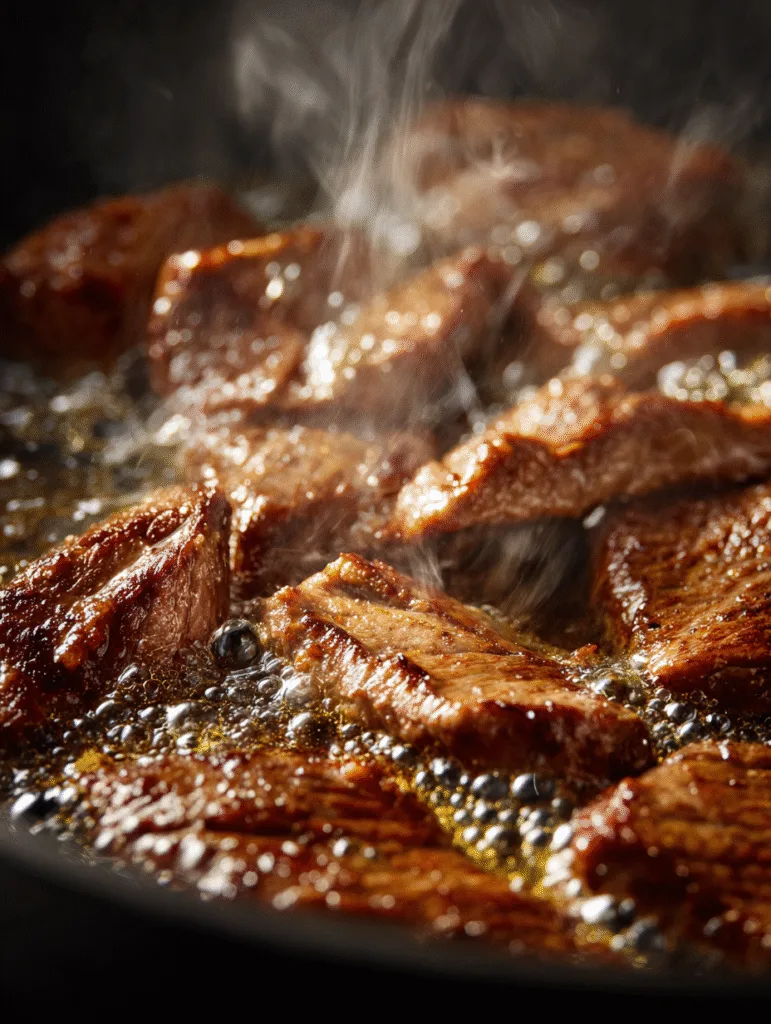
Beef liver cooks quickly, usually 3–5 minutes per side for ¼-inch thick slices. That means a hot pan is crucial.
Add a bit more fat to the pan if needed, then gently lay in the liver slices without crowding the pan. Let them sear undisturbed for a few minutes. Flip only once when a golden crust forms.
You’ll know it’s ready when the surface is browned and the inside is still slightly pink. Overcooking makes liver dry and tough, so stay alert.
Combine with Onions Just Before Serving
Once the liver is cooked, return the onions to the skillet just long enough to warm through, about 30 seconds. Don’t leave the liver on the heat too long at this stage, or it may overcook.
This last-minute combination lets the flavors marry while keeping the liver tender.
Quick Cooking Recap for Featured Snippets:
How to keep beef liver tender while frying:
- Soak liver in milk for up to 2 hours.
- Rinse and pat dry.
- Slice thinly (¼ inch).
- Heat oil in a skillet until hot.
- Sear liver 3–5 minutes per side.
- Avoid overcooking, it should be slightly pink inside.
- Add sautéed onions just before serving.
By following these steps, you’ll avoid the common pitfalls, overcooking, bitterness, and toughness, and instead create a truly tender beef liver and onions dinner.
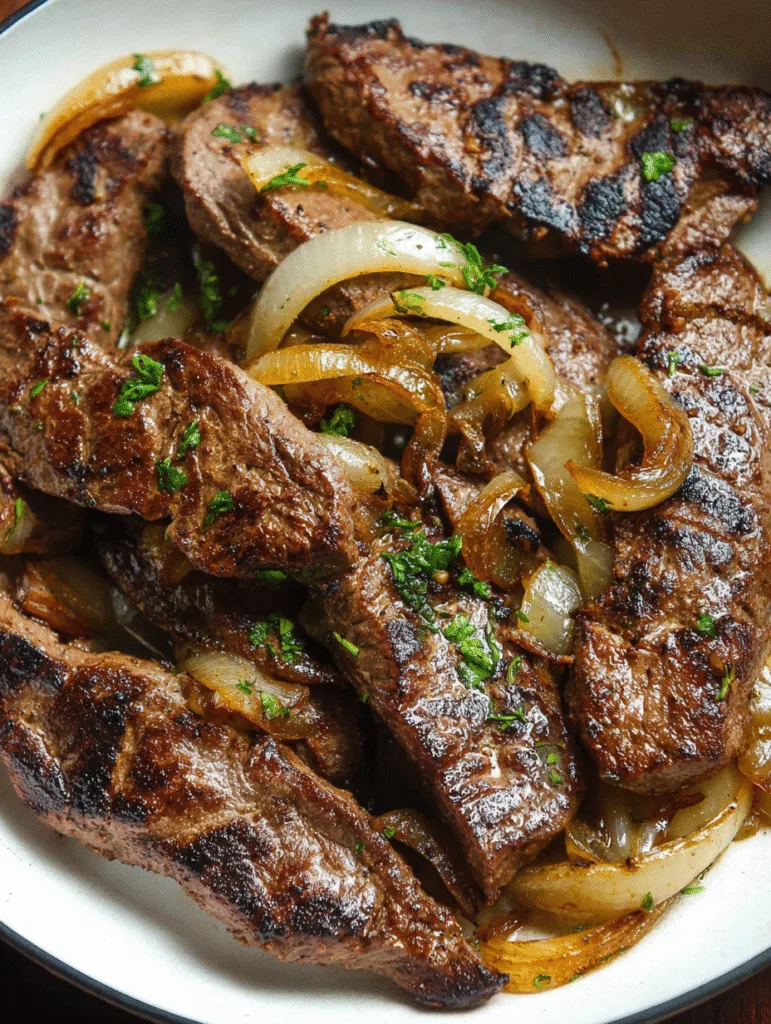
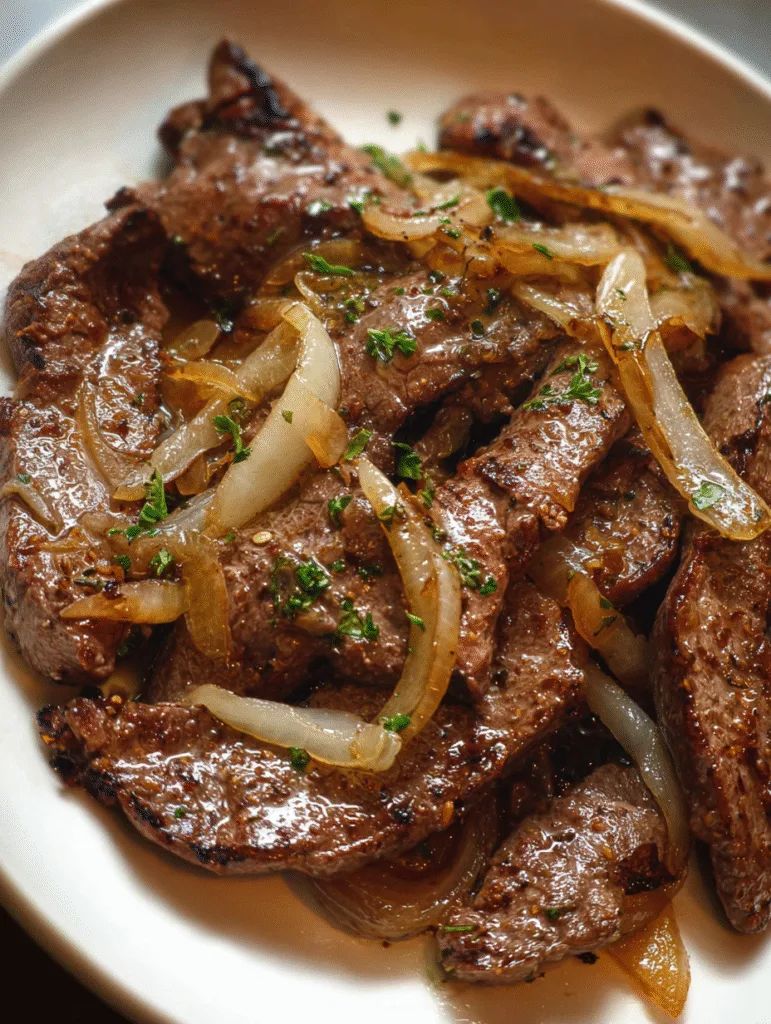
Seasoning, Flavor Enhancements, and Serving Ideas
Beef liver has a bold, earthy flavor that benefits from thoughtful seasoning and the right complementary ingredients. Whether you’re creating a classic liver and onions dinner or exploring creative carnivore dishes, the right spices and fats can make all the difference.
Best Seasonings for Beef Liver and Onions
While some purists prefer minimal ingredients, adding a few simple seasonings can elevate the dish without overpowering it.
- Salt and freshly ground black pepper: These foundational seasonings bring out the natural richness of beef liver.
- Onion powder and garlic powder: A little goes a long way to enhance the savory profile of the dish.
- Smoked paprika or regular paprika: Adds depth, color, and a subtle warmth that pairs beautifully with organ meats.
- Fresh or dried thyme: Offers an herby note that balances liver’s strong flavor.
- Parsley (chopped): A clean, grassy garnish that brightens the plate visually and flavor-wise.
Choose the Right Cooking Fat
Beef liver is naturally lean, so pairing it with a rich fat source enhances texture and taste.
- Butter: Adds a creamy mouthfeel and classic flavor.
- Olive oil: Lighter and great for sautéing onions.
- Beef tallow or ghee: Excellent choices for carnivore-style dishes, adding depth and richness.
- Avoid lean-only cooking: Liver needs fat to feel indulgent and balanced.
For those on a nutrient-focused plan, these fats not only aid flavor but also support absorption of fat-soluble vitamins like A, D, E, and K.
When to Season for Best Results
- Season right before cooking to preserve moisture and prevent drawing out too much liquid.
- If desired, you can also add a pinch of seasoning to the milk soak (like a bay leaf or a small garlic clove) for subtle infusion.
Serving Suggestions to Complete the Plate
You can keep it traditional or tailor the sides to your dietary needs. Here are a few ideas:
Classic Pairings
- Mashed potatoes: Their creamy texture soaks up pan juices beautifully.
- White or brown rice: A simple, starchy base for liver and onions.
Low-Carb or Carnivore Variations
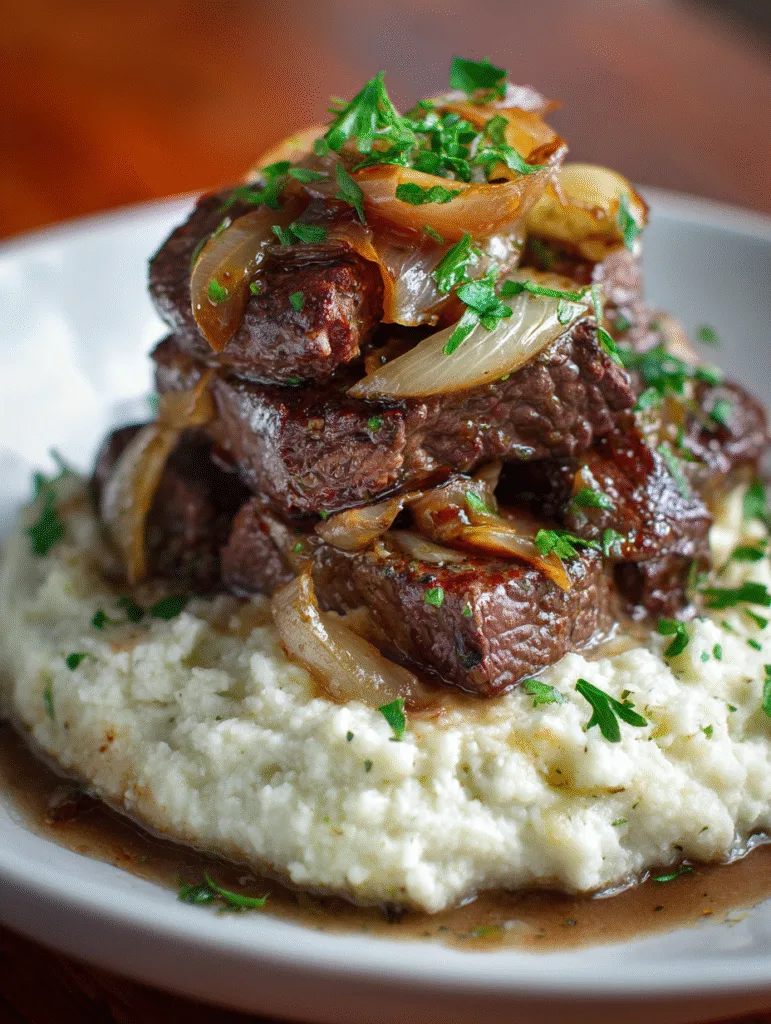
- Cauliflower mash: A keto-friendly option with great texture.
- Steamed green beans or sautéed spinach: Mild vegetables that let the main dish shine.
- Pan-seared mushrooms: Add umami depth and richness, ideal for carnivore dishes.
Flavor Brighteners
- A squeeze of fresh lemon right before serving can balance liver’s richness.
- A splash of apple cider vinegar in the onions offers a slight tang and complexity.
Optional Additions (Without Compromising the Simplicity)
- A spoonful of homemade beef gravy made from pan drippings.
- Caramelized shallots or garlic for an elevated, gourmet twist.
Flavor is all about balance. The sweetness of onions, the savoriness of beef liver, and the richness of healthy fats, when combined with the right seasoning, create a truly comforting and satisfying meal.
If you’re building a weekly plan around organ meats, check out our Carnivore Diet 7-Day Meal Plan for practical ways to rotate liver with other nutrient-rich dishes.
Choosing and Storing Quality Beef Liver
Cooking a delicious beef liver and onions dinner starts with selecting the right liver. Not all cuts are equal, and freshness plays a major role in both flavor and texture. Knowing what to look for can make or break your final dish.
How to Choose the Best Beef Liver
When shopping, check the following indicators to ensure you’re getting high-quality, nutrient dense organ meat:
- Color: Look for a deep reddish-brown hue. Avoid liver that looks gray, pale, or blotchy, this may indicate oxidation or poor storage.
- Moisture: Fresh liver should be moist, but not slimy or sticky to the touch.
- Smell: It should have a clean, slightly iron-rich scent. If it smells sour, fishy, or overly pungent, it’s likely past its prime.
- Texture: It should feel smooth and firm, not mushy or grainy.
Calf Liver vs. Beef Liver: What’s the Difference?
Some butchers offer calf liver, which comes from younger cattle. Calf liver is generally milder in flavor and more tender, making it a good choice for those new to cooking liver. However, regular beef liver is more affordable, nutrient-rich, and just as tasty when prepared properly.
Both are excellent sources of essential nutrients, but for more delicate palates, calf liver may be a gentler introduction.
Tips for Buying and Storing Liver
- Buy fresh or frozen: Fresh is ideal, but frozen liver works just as well if thawed properly.
- Thaw safely: If frozen, thaw in the refrigerator overnight, not on the countertop, to maintain texture and safety.
- Cook within 1–2 days: If buying fresh, use it quickly. Liver spoils faster than muscle meat.
- Freeze uncooked liver: Wrap tightly in plastic wrap, then place in an airtight container or freezer bag. Label and date it. It will keep well for up to 3 months.
How to Store Cooked Liver and Onions
Once cooked, store leftovers in an airtight container in the fridge. For best quality, eat within 2–3 days. Reheat gently on the stovetop or microwave at low power to avoid drying it out.
Avoid freezing cooked liver if possible, it’s safe but often compromises texture, making it grainy or dry upon reheating.
Frequently Asked Questions About Cooking Beef Liver and Onions
How do you cook beef liver without it tasting bitter?
The bitterness often comes from leftover blood and iron-rich compounds in the liver. To avoid this, soak sliced liver in milk or a milk-water mixture for at least 30 minutes before cooking. This helps mellow the flavor and tenderize the meat. Also, be sure not to overcook the liver, as that intensifies any bitter taste.
Why do you soak beef liver in milk before cooking?
Soaking beef liver in milk draws out excess blood and reduces metallic flavors. It also softens the liver’s texture, making it more palatable and tender. Most chefs recommend soaking for 1–2 hours for best results, but even 30 minutes can make a noticeable difference in flavor.
How long should you cook beef liver and onions?
Cook thinly sliced beef liver (about ¼ inch thick) for 3 to 5 minutes per side on medium-high heat. It should be browned on the outside and slightly pink inside. The onions should be sautéed separately for 10–12 minutes until soft and caramelized, then combined with the liver just before serving.
Is beef liver good for you?
Yes. Beef liver is one of the most nutrient-dense organ meats available. It provides high amounts of iron, vitamin A, B vitamins (including B12 and folate), zinc, and quality protein. It’s especially beneficial for individuals following a carnivore or low-carb diet, or those with nutrient deficiencies like anemia.
Can you freeze cooked liver and onions?
Technically yes, but it’s not recommended for optimal texture. Liver can become dry or grainy after freezing and reheating. If you need to store leftovers, refrigerate in an airtight container and consume within 2–3 days for the best flavor and tenderness.
What seasoning is best for beef liver?
Start with simple staples like salt and black pepper. Add garlic powder, onion powder, smoked paprika, and thyme to boost depth of flavor. A splash of lemon juice or vinegar at the end can also brighten the dish. Avoid overly spicy or sweet seasonings, which may clash with the liver’s natural richness.
How do you keep beef liver tender while frying?
To keep beef liver tender:
1- Soak in milk to remove bitterness.
2- Slice thinly and evenly.
3- Pat dry before cooking.
4- Sear over medium-high heat, do not cook beyond slightly pink inside.
5- Avoid crowding the pan.
6- Combine with onions only at the end to reheat, not overcook.
Should beef liver be washed before cooking?
Yes. Rinse liver under cold water to remove surface blood and debris. After rinsing, pat dry thoroughly. This step helps remove any residual bitterness and improves searing by eliminating surface moisture.
Conclusion: Why Beef Liver and Onions Deserves a Spot in Your Weekly Rotation
Beef liver and onions isn’t just an old-fashioned meal, it’s a timeless, nutrient-packed dish that supports modern health goals and ancestral eating alike. When prepared properly, this humble organ meat becomes a tender, flavorful part of your weekly routine, especially for those following carnivore, low-carb, or nutrient-dense diets.
By soaking, seasoning, and cooking the liver with care, you can turn it into a go-to comfort food that’s as satisfying as it is healthy. Whether you’re new to organ meats or a longtime fan, this dish offers a rich source of bioavailable nutrients, unbeatable flavor, and endless customization options.
If you’re ready to explore more high-protein carnivore dishes and wellness-focused meals, follow Carnivore Movement on Facebook for daily tips, recipes, and real-life results. And for stunning carnivore meal inspiration, don’t miss Carnivore Movement on Pinterest, your go-to for bite-sized visuals and feel-good food ideas.