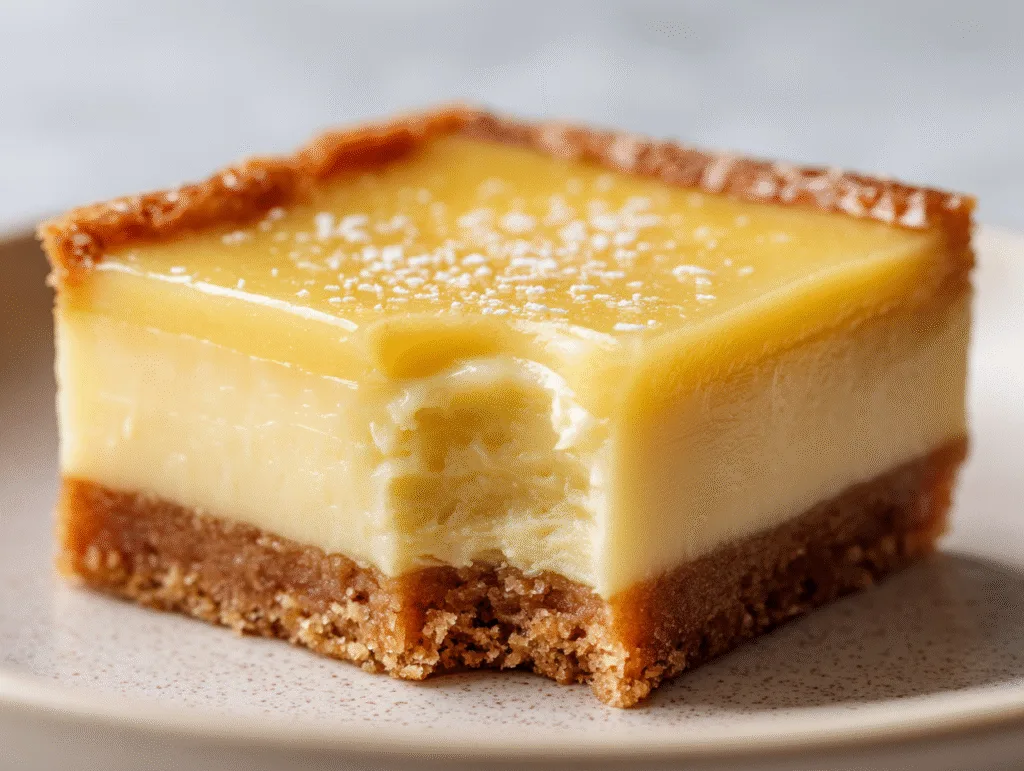
Carnivore dessert bars are rich, creamy, low-carb desserts made entirely from animal-based ingredients like heavy whipping cream, butter, and eggs. Designed for those following a strict carnivore or ketogenic diet, these bars offer a satisfying way to enjoy a treat without flour, sugar, or plant-based additives. They’re packed with fat and protein, making them naturally low in carbohydrates and suitable for high-fat dietary protocols.
These bars use simple whole-food ingredients to create a layered dessert with a custard-like filling and a golden, buttery crust. With zero refined sugar and no gluten or starches, they provide a delicious option for dessert lovers who want to stay aligned with their nutrition goals.
In This Recipe
In This Recipe
How to Make Carnivore Dessert Bars at Home
If you’ve been following a carnivore or low-carb lifestyle for a while, you know how limited dessert options can be. Most traditional treats rely heavily on sugar, flour, or plant-based thickeners, ingredients that simply don’t fit into animal-based eating. That’s where carnivore dessert bars come in. These indulgent yet wholesome bars are crafted entirely from rich animal products like eggs, heavy whipping cream, and butter. They deliver that luxurious dessert feel without breaking your dietary boundaries.
So, what should you expect when making carnivore dessert bars at home? First and foremost, simplicity. These bars are built on just a handful of ingredients that you likely already have in your fridge. With the right balance of fats and protein, they come together into a firm-yet-creamy bar that feels more like a custard square than a cookie. The beauty of the carnivore bar lies in its versatility, it can be served chilled as a refreshing finish to a hearty meal, or stored in the fridge as a grab-and-go snack when hunger hits.
Before jumping into the step-by-step recipe, it helps to understand what makes this dessert work: the chemistry of egg proteins, the emulsifying power of butter, and the smooth richness of cream. These are the building blocks that allow the bars to set firmly, brown beautifully, and deliver a melt-in-your-mouth texture, all without the need for flour or sugar.
Ready to craft your own? Let’s move into the full breakdown of ingredients and instructions.
PrintCreamy Carnivore Custard Bars (No Sugar, No Flour)

These carnivore dessert bars are a rich, low-carb treat made with simple animal-based ingredients. With a silky, custard-style filling over a golden crust, they’re the perfect indulgence for those following a carnivore or keto lifestyle. no flour, no sugar, and absolutely no plant-based additives.
- Prep Time: 10 minutes
- Cook Time: 50 minutes
- Total Time: 1 hour
- Yield: 9 bars
- Category: Dessert
- Method: Baked
- Cuisine: American
Ingredients
Crust:
-
1 cup crushed crispy zero-carb animal-based snacks (or compliant alternative)
-
3 tablespoons unsalted butter, melted
-
Optional: ¼ teaspoon cinnamon substitute (optional, for aroma only)
-
Optional: ¼ cup monk fruit or stevia-based zero-carb sweetener
Filling:
-
4 large eggs
-
¾ cup heavy whipping cream
-
6 tablespoons unsalted butter
-
¼ cup filtered water
-
Optional: ¼ cup monk fruit or stevia-based sweetener
-
Optional: 1 teaspoon vanilla extract substitute (optional for those allowing flavoring)
Instructions
-
Preheat oven to 350°F (175°C). Lightly grease an 8×8 inch baking dish.
-
Prepare crust: In a bowl, combine crushed animal-based crisps, melted butter, and optional sweetener and cinnamon substitute. Press evenly into the bottom of the dish.
-
Bake crust for 16 minutes or until golden. Remove and let cool completely.
-
Make filling: In a large bowl, beat eggs until frothy (about 4-5 minutes). Slowly add sweetener and vanilla substitute if using.
-
Add cream: Mix in heavy whipping cream, water, and melted butter while continuing to beat.
-
Assemble: Pour filling over the cooled crust.
-
Bake for 35 minutes or until the center is set and the top is golden.
-
Cool completely before slicing. For best texture, refrigerate for at least 3 hours before serving.
Notes
-
-
Use unsweetened, additive-free cream and butter for optimal results.
-
Sweetener and vanilla are optional and can be omitted for strict carnivore adherence.
-
Bars will firm up as they cool and are best served chilled.
-
Key Ingredients in Carnivore Dessert Bars
When it comes to making carnivore dessert bars, every ingredient serves a purpose beyond just flavor. Since these bars are built without flour, sugar, or plant-based thickeners, the foundation lies in the science and balance of fat, protein, and structure provided by animal-derived ingredients. Each component plays a key role in creating that firm, creamy texture and satisfying richness that sets carnivore desserts apart.
Butter: The Flavor and Fat Backbone
Butter isn’t just a fat source, it’s the soul of carnivore baking. Rich in saturated fats and naturally low in carbohydrates, butter delivers a dense, indulgent mouthfeel. It forms the base of both the crust and the custard filling, acting as a natural binder and flavor enhancer. Its high smoke point also makes it ideal for baking at 350°F without compromising quality or structure.
Butter adds a slight nuttiness when baked, and since there’s no flour or sugar to compete with it, its flavor truly shines. For those sensitive to dairy, ghee or clarified butter can be substituted to reduce lactose content without sacrificing taste.
Heavy Whipping Cream: The Texture Transformer
Heavy whipping cream adds both fat and moisture. It emulsifies with eggs and butter during baking to form a custard-like consistency. With about 36–40% milk fat, it’s one of the richest dairy options available and essential for that silky-smooth bite.
It’s also the ingredient that gives these bars their luscious finish, making them feel like a cross between a cheesecake and a pudding slice. Be sure to use unsweetened, additive-free cream to keep it pure and low in carbs.
Eggs: The Structural Powerhouse
Eggs do double duty: they provide protein to firm up the filling and emulsifiers (like lecithin) that bind the fats and liquids into one cohesive custard. Whipping the eggs before baking introduces air, giving the bars a slightly fluffy lift that prevents them from becoming dense or rubbery.
Four eggs per batch is ideal, it ensures enough volume and structure without overwhelming the flavor profile with too much egg taste.
Crust Alternatives: Going Grain-Free with Savory Crunch
A traditional dessert bar relies on a crust made from graham crackers, flour, or oats, all of which are off the table in carnivore eating. Instead, you can opt for a crust that maintains that crunch without the carbs.
The best crust alternatives involve a combination of crispy, zero-carb animal-based snacks with melted butter to bind. You’ll press this mixture into a pan and bake it until it turns golden and fragrant. This creates a texture contrast to the creamy topping, giving the final bar that satisfying bite.
For those avoiding all non-essential ingredients, you can simply skip the crust entirely. The bars will still set beautifully and can be sliced cleanly after chilling.
Optional Enhancements: Flavor Without the Sugar
While strict carnivore followers may choose to omit anything beyond meat, eggs, and dairy, many choose to include non-glycemic sweeteners and extracts for a more dessert-like experience.
- Zero-carb sweeteners like stevia, monk fruit, or erythritol offer sweetness without impacting blood sugar or ketone levels.
- Vanilla extract substitute (derived without alcohol) adds aroma and depth without adding carbs.
These are entirely optional. You can adjust based on your dietary preferences, tolerance, and desired sweetness level.
Are Carnivore Dessert Bars Compatible with Low-Carb and Carnivore Diets?
If you’re wondering whether carnivore dessert bars fit within the strict guidelines of low-carb or carnivore diets, the short answer is yes, if done correctly. These bars are designed specifically to align with animal-based dietary principles, delivering high-fat, protein-rich satisfaction with little to no carbohydrate content. But like with any adaptation of traditional desserts, the details matter.
What Low-Carb and Carnivore Diets Actually Allow
The carnivore diet is one of the most restrictive eating plans. It focuses entirely on animal-sourced foods, meat, organs, eggs, and dairy for those who tolerate it. Plants, sugars, grains, and even spices are typically excluded.
Low-carb and ketogenic diets are more flexible, allowing for a limited intake of carbohydrates, usually between 20 and 50 grams per day. These diets aim to keep the body in a state of ketosis, where fat becomes the primary energy source.
The common ground between the two is a strong avoidance of refined carbohydrates, processed sugars, and plant-based starches, all of which are absent in properly made carnivore dessert bars.
How Carnivore Dessert Bars Meet These Standards
Carnivore dessert bars deliver on all counts:
- No sugar or grains: They avoid the traditional pitfalls of desserts by omitting flour, sugar, and starches entirely.
- High in fat and protein: The ingredients : eggs, heavy whipping cream, butter are nutrient-dense, satiating, and blood sugar-neutral.
- Minimal or zero carbs: Even when optional sweeteners or vanilla flavoring are used, the net carb count typically remains under 1 gram per serving.
These bars avoid sugar and starches entirely, aligning perfectly with the carnivore diet food list for those staying strict.
That makes them ideal for anyone on a ketogenic or low-carb diet who’s looking for variety without compromise. For strict carnivore dieters, simply skipping sweeteners and flavorings ensures the recipe remains within the pure animal-product framework.
The Sweetener Question: To Use or Not to Use?
The inclusion of sweeteners like monk fruit or stevia is often debated in carnivore circles. These ingredients, while technically plant-derived, contain zero net carbs and do not spike insulin or glucose in most people.
Here’s how they fit across the spectrum:
- Strict carnivore: Likely to skip sweeteners entirely to maintain full dietary purity.
- Keto-carnivore hybrid: May include small amounts of natural zero-carb sweeteners for enhanced taste without breaking ketosis.
It’s a personal choice, what matters most is aligning your ingredients with your specific goals and sensitivities.
What If You Want a Zero-Compromise Dessert?
You absolutely can enjoy a carnivore dessert bar that sticks 100% to animal products. Simply omit sweeteners and flavor extracts, use only eggs, cream, and butter, and opt for a crustless version. What you’ll get is a firm, creamy bar with rich flavor and zero guilt.
Even with no added sweetener, the natural richness of dairy and the emulsified texture of eggs provide a satisfying mouthfeel. It’s more about indulgent texture than sweetness, and sometimes, that’s exactly what your palate craves after weeks of savory meals.
These are all simple to prepare, high in fat, and suitable for both carnivore and ketogenic diets.
How to Make Carnivore Dessert Bars: Full Recipe Walkthrough
Creating carnivore dessert bars at home is simple, satisfying, and surprisingly fast. With just a few nutrient-dense ingredients and a bit of mixing and baking, you’ll have a rich, creamy dessert that aligns with your low-carb lifestyle. Whether you’re following strict carnivore or leaning more toward a keto-friendly variation, this recipe is easy to adapt based on your preferences.
Let’s walk through every stage, from tools and prep to baking and storage, so you’re fully prepared before stepping into the kitchen.
Essential Tools You’ll Need
No need for fancy gadgets. Just make sure you have these basics:
- 8×8-inch baking dish (glass or metal)
- Mixing bowls (1 large, 1 small)
- Electric hand mixer or stand mixer (for beating eggs and mixing filling)
- Spatula or wooden spoon
- Measuring cups and spoons
Having everything ready ahead of time ensures your prep goes smoothly and your ingredients stay at the right temperature, especially the melted butter.
Step-by-Step Breakdown
1. Preheat and Prepare Your Pan
Start by preheating your oven to 350°F (about 175°C). Lightly grease your 8×8 baking dish with butter or another compliant fat. This helps prevent sticking and ensures easy slicing later.
2. Mix the Crust
In a small bowl, combine:
- 1 cup of crushed, zero-carb animal-based crisps or compliant crunchy base
- 3 tablespoons of melted unsalted butter
- Optional: ¼ cup of zero-carb sweetener and ¼ teaspoon cinnamon-like flavor substitute
Stir until everything is coated evenly. Press the mixture firmly into the bottom of your baking dish to create an even layer. Bake for 16 minutes, or until the crust turns golden brown and fragrant. Set aside to cool completely before adding your filling.
3. Beat the Eggs
In a large mixing bowl, beat 4 large eggs on high for about 4–5 minutes. You’re looking for a fluffy, pale mixture, this step adds structure and lightness to your bars.
Optional: If using sweetener and vanilla substitute, slowly add them while continuing to beat.
4. Add Cream, Water, and Butter
Reduce mixer speed to low and gradually add:
- ¾ cup heavy whipping cream
- ¼ cup filtered water
- 6 tablespoons melted unsalted butter
Mix just until everything is combined. Don’t overmix, this could deflate your whipped eggs.
5. Pour and Bake
Carefully pour the filling over your cooled crust. Smooth the top with a spatula if needed. Place in the oven and bake at 350°F for about 35 minutes, or until the center is set and the top has a light golden color.
6. Cool and Slice
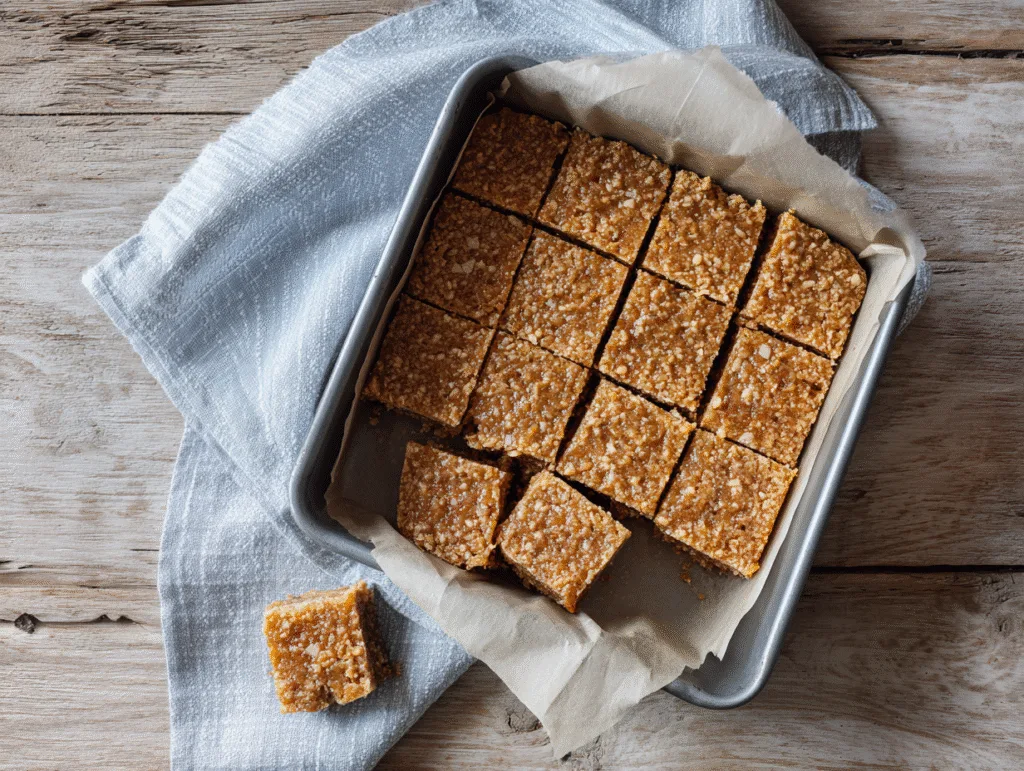
Remove from the oven and allow to cool at room temperature. For the best texture, refrigerate for at least 3 hours before slicing into squares. The chilling process helps the custard layer firm up, making for cleaner cuts and a more satisfying bite.
Storage Tips
- Refrigerator: Store in an airtight container for up to 5–7 days. The bars maintain their texture and flavor well.
- Freezer: If you want to freeze a batch, wrap individual bars in parchment paper and store in a freezer-safe bag. Thaw in the fridge overnight before serving.
These bars are ideal for meal prepping dessert or having a convenient high-fat snack ready after dinner.
Taste, Texture & What to Expect from Carnivore Dessert Bars
If you’ve never tried a dessert made entirely from animal-based ingredients, you might be wondering, what do carnivore dessert bars actually taste like? Are they bland, overly eggy, or greasy? The truth is, these bars offer a surprisingly indulgent experience, especially when you understand how their key ingredients transform during baking.
Rich, Creamy, and Satisfying Without Sugar
Despite the lack of traditional sweeteners, these bars are far from flavorless. The richness of the heavy whipping cream combined with the golden depth of butter creates a natural sweetness that doesn’t need to be amplified. For those used to heavily sweetened desserts, it might take a bite or two to adjust, but most find the flavor deeply satisfying, like a cross between custard and cheesecake.
Optional sweeteners, if included, enhance the flavor without overpowering it. Many people use small amounts of monk fruit or stevia to mimic that familiar dessert taste, especially when transitioning from standard keto to carnivore. Either way, the bars stay naturally low in carbs and sugar-free.
The Texture: Custard-Like with a Clean Bite
The texture is where carnivore dessert bars really shine. When properly prepared, the bars have a smooth, custard-like consistency. The edges bake up firm while the center remains creamy and sliceable. They don’t crumble like flour-based desserts, nor do they melt like mousse. Instead, they strike a balance, firm enough to cut into squares, soft enough to melt in your mouth.
The longer they chill, the firmer they become. If you prefer a more dense or fudge-like texture, refrigerate overnight. For a lighter bite, enjoy them within a few hours of cooling.
Do They Taste “Eggy”?
This is one of the most common concerns. After all, eggs are a major component. But thanks to the high fat content from butter and cream, the egg flavor is muted. Whipping the eggs before baking introduces air, which also lightens the taste and texture. If you’re sensitive to the taste of eggs, using optional vanilla or a dash of non-sugar flavor extract can help smooth out any remaining notes.
Most home cooks who try these for the first time are surprised by how balanced the flavor is, especially considering the simplicity of the ingredient list.
Customizable Sweetness Levels
What’s great about these bars is that they’re fully adjustable. You can go:
- Strict carnivore: No sweetener, no flavoring, just eggs, butter, and cream for a neutral, savory-leaning dessert.
- Keto-carnivore: Add a non-glycemic sweetener and optional vanilla or cinnamon substitute to make them taste closer to traditional dessert bars.
This flexibility makes them easy to adapt for your taste and dietary preferences, without breaking your macros or meal plan.
Variations and Related Carnivore Desserts
Carnivore dessert bars are just the beginning. Once you understand how basic animal-based ingredients behave in the kitchen, you unlock a world of rich, low-carb dessert possibilities, many of which can be made with the same staple ingredients already in your fridge. This section explores some simple variations on the classic bar and a few related recipes that share the same satisfying fat-rich base.
Crust vs. Crustless: Tailoring to Preference
Some people prefer a bar with a bit of texture on the bottom. Others want the smooth simplicity of custard without any crunch. Carnivore bars allow for both.
- With crust: Adds a slight crisp base, similar to traditional bars. Use a crushed zero-carb crisp substitute blended with melted butter.
- Crustless: Skip the base entirely and pour your custard mixture directly into the baking dish. This version sets beautifully on its own and has fewer ingredients.
Crustless versions also tend to be more “strict carnivore” friendly, as they avoid any borderline ingredients that some dieters might be avoiding.
Flavor Adjustments: Dessert-Like or Neutral
The base recipe is mild and creamy, which means you can tweak the flavor direction to your liking:
- For sweetness: Add a dash of monk fruit or stevia-based sweetener
- For aroma: Include a compliant vanilla extract substitute or a hint of a cinnamon-flavored alternative
- For strict purity: Omit all extras and enjoy the pure taste of rich dairy and eggs
The recipe is forgiving, whether you want a dessert that feels like pudding, cheesecake, or custard, small ingredient tweaks can nudge it in the right direction.
Other Carnivore Dessert Ideas
If you love the idea of dessert without plants, sugar, or starch, here are a few other options worth trying:
1. Carnivore Custard Cups
Made with eggs, cream, and butter, these bake up in ramekins and can be flavored or left plain. A pinch of salt enhances their depth.
→ [Insert Internal Link Here #]
2. Butter “Truffles” or Fat Bombs
Whipped butter or a mix of butter and cream cheese chilled into bite-sized portions. Easy to grab and rich in healthy fats.
→ [Insert Internal Link Here #]
3. Carnivore Ice Cream (No Sugar)
A blend of whipped cream and egg yolks, churned or frozen without added sweetener. Can be made in an ice cream maker or by hand for a scoopable treat.
4. Whipped Tallow Treats
Rendered tallow blended with cream or whipped butter for a dense fat snack that’s ideal after a protein-rich meal.
If you love fat-forward treats in the morning, these carnivore breakfast ideas and recipes offer great variety alongside dessert bars.
When to Use These Alternatives
These variations are ideal when you:
- Want a no-bake option
- Need a freezer-friendly treat
- Are cutting out all spices, sweeteners, and flavorings
- Prefer single-serve or portable dessert ideas
They offer variety, help prevent food boredom, and make carnivore eating feel more sustainable long-term.
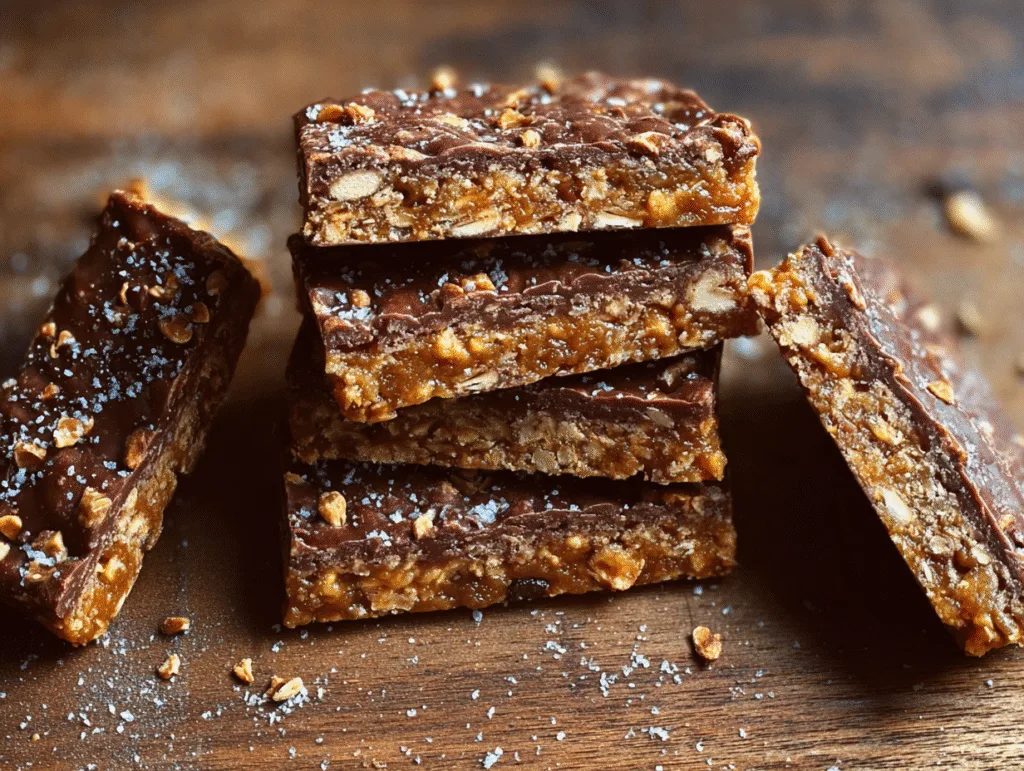
Should You Include Dessert Bars in Your Carnivore or Low-Carb Diet?
When following a strict animal-based or ketogenic plan, many people question whether desserts, even low-carb ones have a place. After all, the focus is usually on nutrient density, satiety, and reducing cravings. However, carnivore dessert bars can offer more than just indulgence, they can actually support dietary adherence when used mindfully.
The Role of “Safe” Treats in a Restrictive Diet
Strict elimination diets can become monotonous. Including an occasional treat that still fits your macros and ingredient rules can make the difference between consistency and burnout.
Carnivore dessert bars deliver:
- Satiety: Rich in fats and protein, these bars are incredibly filling.
- Simplicity: Made with whole foods like eggs and cream, no additives or inflammatory oils.
- Dietary compliance: Unlike cheat meals that can throw off ketosis or trigger cravings, these bars are structured to keep you on track.
When consumed after meals or on refeed days, they offer a moment of pleasure that doesn’t derail progress.
The Key: Intentional Use, Not a Crutch
It’s important to approach even compliant desserts with balance. These bars are ideal for:
- Special occasions on a carnivore or low-carb plan
- Holidays and celebrations when everyone else is indulging
- Reintroduction or maintenance phases where some flexibility is allowed
But if you find yourself craving them daily or using them as a meal replacement, it may be worth scaling back. They’re designed to complement your nutrition, not replace foundational meals built on meat, eggs, and organs.
Desserts like these can be part of a sustainable carnivore diet for weight loss if managed mindfully.
Nutritional Comparison: Bars vs. Meat
Let’s put this in perspective:
| Food | Calories | Fat (g) | Protein (g) | Carbs (g) |
|---|---|---|---|---|
| 1 Carnivore Dessert Bar | 230 | 21 | 6 | <1 |
| 4 oz Ribeye Steak | 290 | 23 | 22 | 0 |
| 2 Boiled Eggs | 140 | 10 | 12 | 1 |
You’ll notice that while the dessert bar is lower in protein than a steak or eggs, it’s still a good source of fat. It’s best treated as a supplemental energy-dense option, not a meal.
Tips for Including Carnivore Desserts Responsibly
- Eat after a meal, not when hungry, this keeps emotional cravings in check
- Portion control: Stick to one bar at a time
- Track your response: If it leads to sugar cravings, scale back
- Use them socially: They’re great when sharing food with non-carnivore friends
These strategies ensure that your bars serve as a useful tool rather than a slippery slope.
Frequently Asked Questions (FAQs)
What counts as a carnivore dessert bar?
A carnivore dessert bar is a sweet-style treat made exclusively from animal-based ingredients. This typically includes eggs, butter, and heavy whipping cream. Some versions may use zero-carb sweeteners or flavor extracts, but traditional plant-based ingredients like flour, sugar, or starches are completely excluded.
Can dessert bars be carnivore‑friendly (low‑carb, no flour)?
Yes, dessert bars can absolutely be carnivore-friendly. They rely on naturally low-carb ingredients like butter, eggs, and cream, all of which are zero-carb or close to it. By avoiding flour and using dairy fats instead, these bars remain compliant with both carnivore and keto protocols.
What ingredients do you use for carnivore dessert bars?
The base ingredients typically include:
Eggs
Heavy whipping cream
Unsalted butter
Optional additions include zero-carb sweeteners (monk fruit, stevia) and flavor extracts like alcohol-free vanilla. A compliant crunchy crust can be made from zero-carb animal crisps and butter, though it’s entirely optional.
How to make carnivore dessert bars at home?
Start by baking a crust (optional) using crushed animal-based crisps and melted butter. Then, beat eggs, add cream, water, and butter, and pour the mixture over the crust. Bake until set, cool, and refrigerate before slicing. For full instructions, see our complete recipe card above.
Are carnivore dessert bars allowed on keto / carnivore diet?
Yes, carnivore dessert bars are allowed on both diets, as long as they contain no non-compliant ingredients. Strict carnivore followers may omit any flavoring or sweeteners, while keto followers can include low-carb sweeteners and extracts within limits. These bars are ideal for both diets thanks to their fat-rich, sugar-free composition.
Conclusion: A Simple Way to Satisfy and Stay Carnivore-Compliant
Carnivore dessert bars are more than just a sweet indulgence, they’re a smart, satisfying way to enjoy variety while staying fully aligned with your dietary goals. Whether you follow a strict carnivore plan or a more flexible low-carb approach, these bars deliver flavor, fat, and texture without the carb count.
They’re easy to make, require only a few everyday ingredients, and can be adapted to suit your preferences. From a soft, custard-like bite to a rich, buttery square, you’ll find yourself turning to these bars whenever you need a compliant treat that doesn’t derail your goals.
For more ideas on structuring your carnivore lifestyle, check out this Carnivore 7-day meal plan for breakfast-to-dessert guidance.
And if you’re building your own carnivore recipe collection or love sharing food inspiration, be sure to follow Carnivore Movement on social:
- CarnivoreMovement on Facebook: Dive into community recipes, success stories, and expert tips.
- CarnivoreMovement on Pinterest: Discover beautifully curated carnivore treats, meal prep ideas, and more.
These communities are packed with high-fat meal inspiration, helpful support, and new ways to keep your lifestyle flavorful and fun.