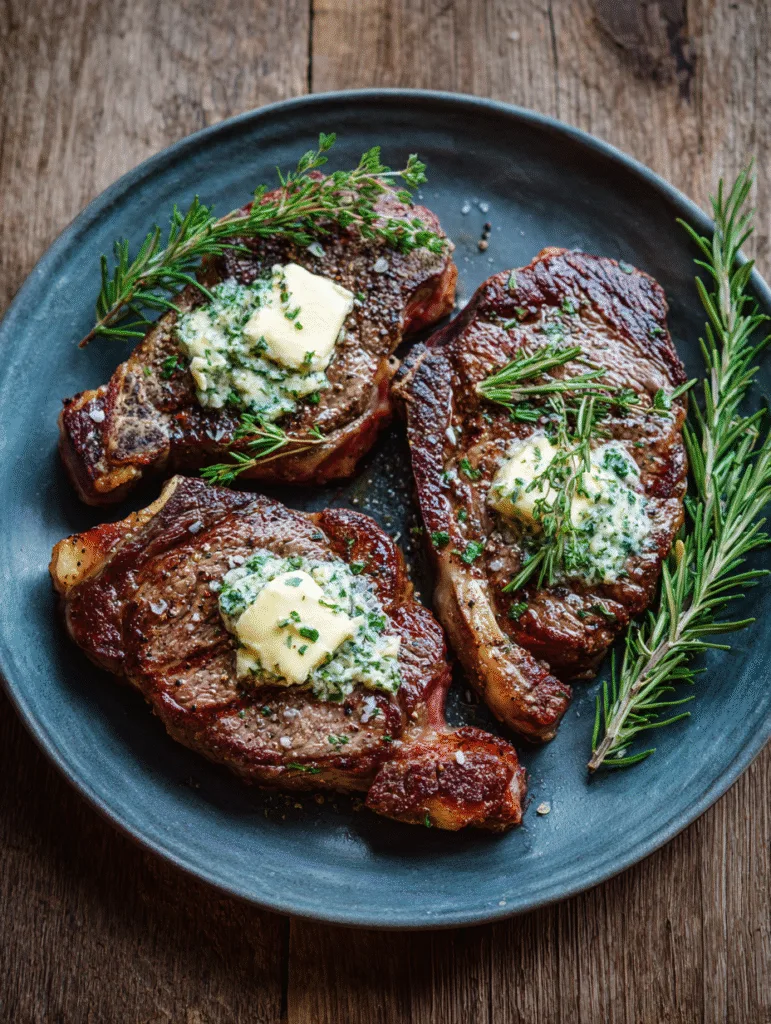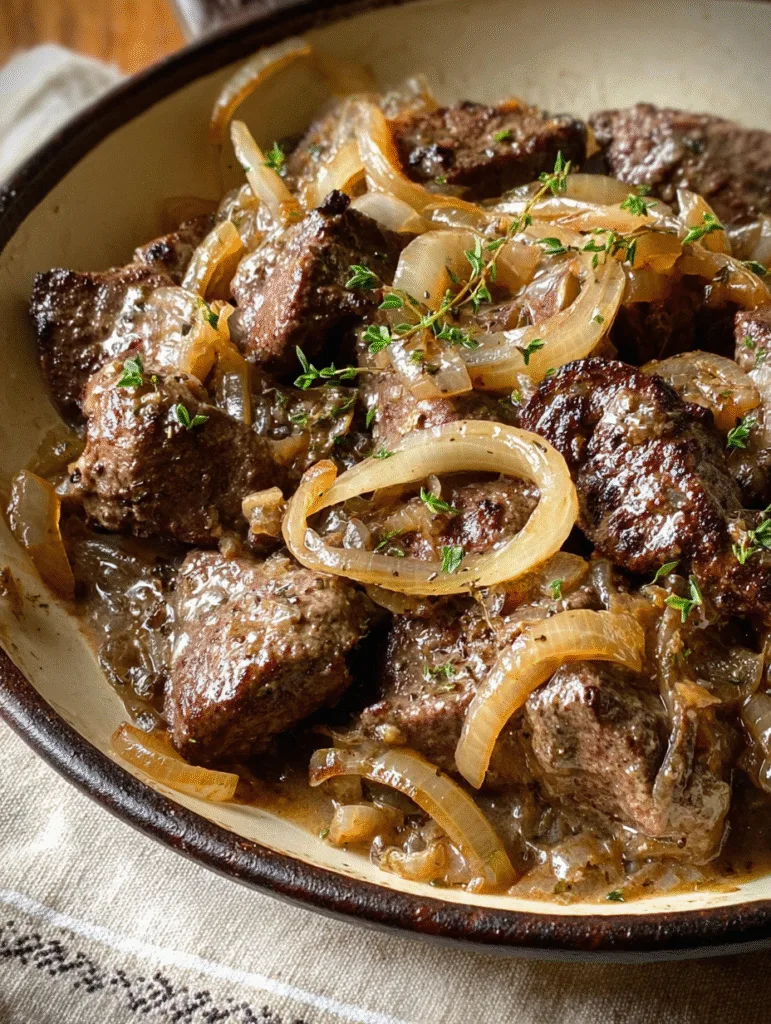
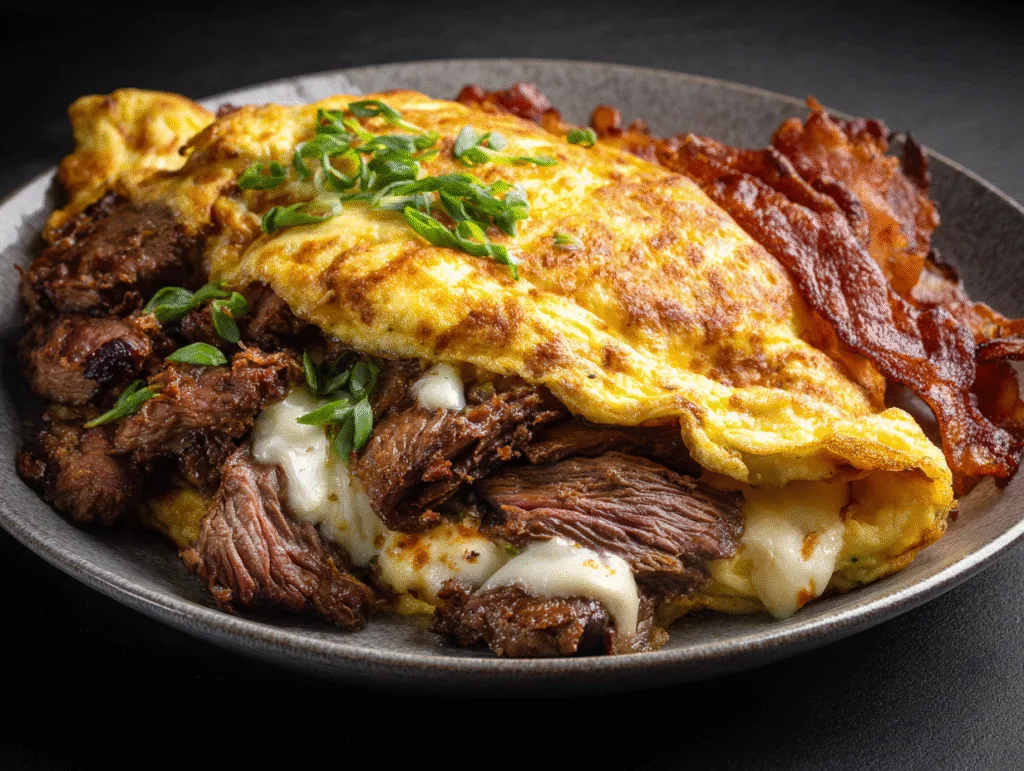
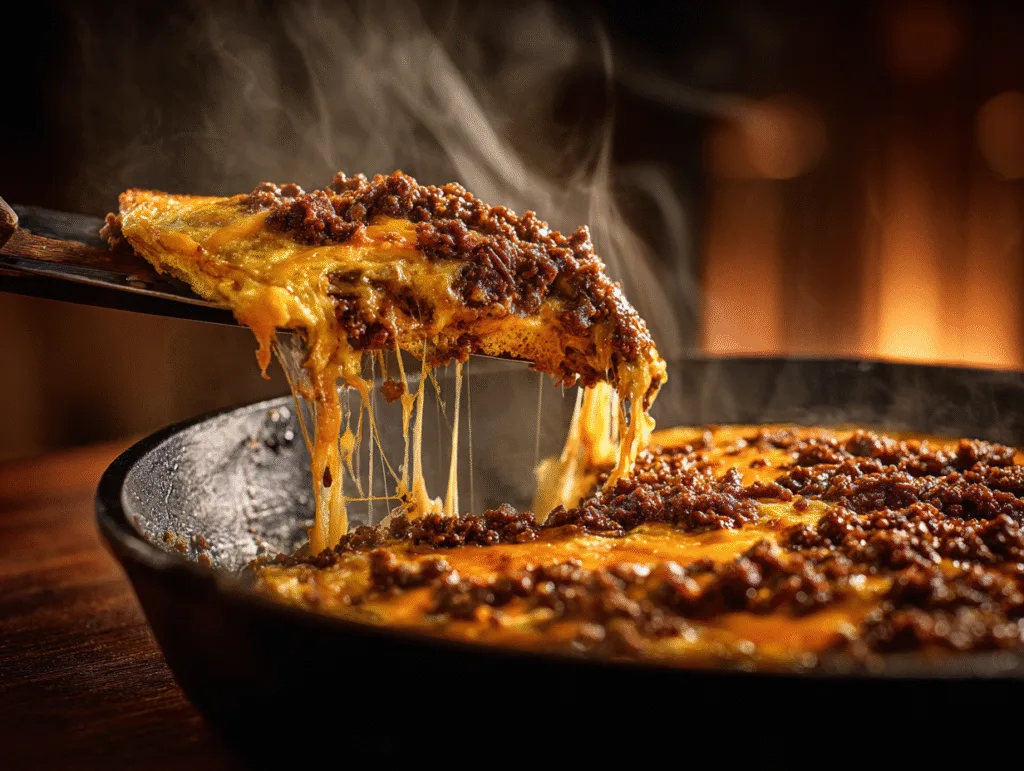
A carnivore omelette is a protein-packed breakfast made entirely from animal-based ingredients like eggs, beef, and cheese. It’s a perfect fit for carnivore, keto, and low-carb diets, offering essential nutrients without carbs or plant matter. Popular styles include the Carnivore Omelette (Cheeseburger Style), Carnivore Giant Omelette, and Ham Egg and Cheese Omelette, making it an adaptable and satisfying meal for any meat lover.
This dish supports weight loss, muscle building, and sustained energy by prioritizing quality proteins and healthy fats. Common meats used include Ground Beef , shredded chicken, or halal beef strips. Hard and soft cheeses like cheddar, Colby-jack, or mozzarella enhance flavor and fat content while keeping the omelette low in carbs.
How to make it: Whisk 6–8 eggs, then cook with your choice of browned beef or halal-friendly meats in a hot pan with ghee or butter. Top with shredded cheese, fold, and let the heat melt everything together. A simple, satisfying carnivore breakfast for four to six people.
In This Article
Table of content
How to Make a Carnivore Omelette at Home
The carnivore omelette is more than just another breakfast, it’s a statement meal for anyone following a high-protein, low-carb lifestyle. Unlike a typical omelette, this version skips the vegetables, herbs, or plant-based fillers. Instead, it celebrates simplicity, using only animal-based ingredients to deliver flavor, satiety, and powerful nutrition in every bite.
You don’t need culinary training or fancy gadgets to enjoy this meal. Whether you’re craving a Carnivore Omelette (Cheeseburger Style), Ham Egg and Cheese Omelette, or a giant version loaded with halal ground beef and gooey cheese, this meal is both approachable and flexible. Its rich combination of fats and proteins keeps you full for hours, making it ideal for breakfast, brunch, or even your one big meal during intermittent fasting.
This dish fits right into keto, carnivore, and meat-heavy eating patterns. And because it’s naturally gluten-free and grain-free, it also appeals to anyone avoiding processed carbs or sensitive to plants. Whether you’re easing into the carnivore diet or already committed, this omelette offers a comforting, filling way to start, or break your day.
Next, we’ll walk you through the full step-by-step recipe, including everything from ideal meats and cheeses to preparation and pro tips.
PrintMelty Meat-Lovers Carnivore Omelette

The Melty Meat-Lovers Carnivore Omelette delivers maximum flavor with minimal ingredients. Designed for keto and carnivore diets, it blends seasoned beef, eggs, and gooey cheese into a satisfying, low-carb breakfast. Great for meal prep, intermittent fasting, or your one big meal of the day.
- Prep Time: 5 minutes
- Cook Time: 10 minutes
- Total Time: 15 minutes
- Yield: 4–6 servings
- Category: Breakfast
- Method: Pan-fried
- Cuisine: American
Ingredients
-
8 large eggs
-
1 tbsp ghee or unsalted butter
-
1 cup ground beef (85% lean), cooked and crumbled
-
1 cup shredded cheddar or Colby-Jack cheese
-
¼ tsp sea salt
-
⅛ tsp black pepper (optional)
Instructions
-
Brown the beef in a skillet over medium heat. Remove and set aside.
-
Beat the eggs in a mixing bowl until smooth.
-
Heat ghee in the same skillet and pour in eggs. Let set for 1–2 minutes.
-
Add cooked beef and sprinkle cheese evenly over the eggs.
-
Fold omelette and cover pan for 1 minute to fully melt cheese.
-
Slide onto plate, slice, and serve hot.
Notes
-
Use ghee or beef tallow for higher fat macros.
-
Avoid pre-shredded cheese with additives, freshly grate for best texture.
-
Easily scalable for 1 or up to 6 servings.
The Benefits of the Carnivore Omelette (and When to Eat It)
The carnivore omelette is more than just a satisfying start to your day, it’s a strategic tool for anyone focused on metabolic health, sustained energy, and simplified nutrition. Whether you’re following a ketogenic or carnivore plan, or simply looking to lower carbs without sacrificing flavor, this dish checks every box.
Low-Carb to Zero-Carb: What It Really Offers
One of the strongest benefits of the carnivore omelette is its near-zero carbohydrate count. When made with just eggs, meat, and cheese, you’re looking at 1–2 grams of total carbs per serving, most of which come naturally from the cheese. That makes it ideal for low-carb eaters who want to stay in ketosis or reduce blood sugar fluctuations. For stricter followers, using zero-carb cheeses or omitting cheese altogether brings the dish into pure carnivore territory.
According to research from the Harvard T.H. Chan School of Public Health, reducing processed carbs, especially refined grains, helps regulate appetite and improve insulin sensitivity. A carnivore omelette aligns perfectly with these goals by eliminating grains and sugars altogether.
Rich in Healthy Fats and Complete Proteins
Every bite of this omelette delivers a powerful combination of high-quality protein and nourishing animal fats. Eggs supply complete amino acids, while ground beef adds iron, B vitamins, and bioavailable zinc. Cheese brings conjugated linoleic acid (CLA) and additional calcium to the plate. These nutrients work together to promote satiety, support hormone health, and fuel your body’s repair processes.
A single serving of the Carnivore Giant Omelette may provide 20–25 grams of protein and 20+ grams of fat, ideal macros for breakfast, especially for those transitioning into fat-adaptation or low-carb living.
Helps with Weight Management and Appetite Control
Unlike sugary breakfasts that spike insulin and crash energy within hours, the carnivore omelette is built to sustain you. Its slow-digesting fats and complete proteins support steady blood sugar and long-lasting fullness.
In a WebMD article on high-protein diets, clinical dietitians note that protein-focused meals help reduce cravings and overall calorie intake throughout the day. That means enjoying a Keto Meat Lovers Omelette at 8 a.m. might naturally help you skip snacks and stay satisfied well past lunch.
When to Eat It: Flexible for Any Lifestyle
Whether you’re a breakfast traditionalist or intermittent faster, this omelette fits your rhythm. Some enjoy it as a hearty start to the morning. Others use it as a large single meal after a 16-hour fast. It also makes a great weekend brunch or post-workout recovery meal.
If you’re eating just one or two meals per day, the carnivore omelette can be scaled to meet your caloric needs. Simply adjust egg count or add more meat and cheese to build a 600, 900, or even 1,200-calorie version without changing the prep method.
Coming up next: what goes inside this power-packed breakfast? In the next section, we’ll break down the best meats, cheeses, and variations you can try today.
Key Ingredients for Your Carnivore Omelette
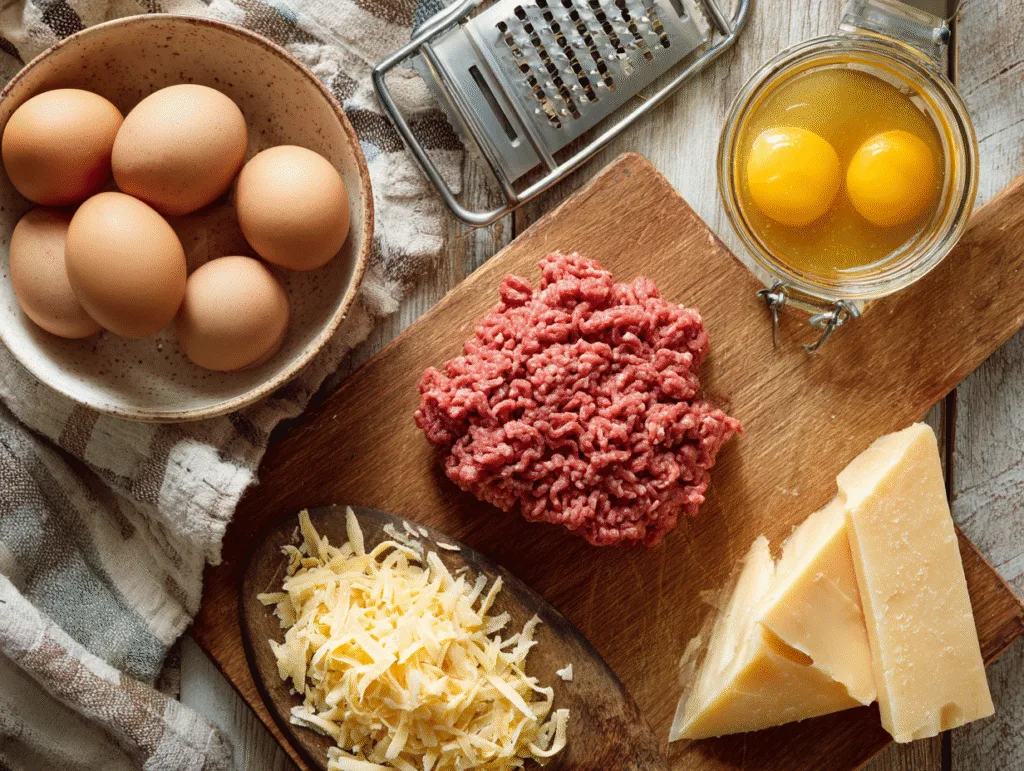
The beauty of the carnivore omelette lies in its simplicity. With just a few high-quality animal-based ingredients, you can build a breakfast that fuels your day, supports metabolic health, and satisfies deep cravings, all without straying from your nutritional goals. This section outlines the best options for eggs, fats, meats, and cheeses that belong in your omelette.
Eggs: The Foundation of the Omelette
Eggs are the heart of any omelette and for good reason. They’re a complete protein, rich in choline, vitamin B12, and healthy fats that support brain and hormone function. When whisked and cooked with care, eggs provide the perfect base for a fluffy, rich carnivore meal.
For the Carnivore Giant Omelette, you’ll typically use 8–10 large eggs, especially when feeding four to six people or when using the dish as a primary meal of the day.
Fats: Ghee, Butter, or Tallow
Instead of cooking with vegetable oils, use traditional animal fats that align with carnivore and keto principles. Ghee and grass-fed butter are ideal for skillet cooking, providing richness and a high smoke point. They also contain fat-soluble vitamins like A, D, and K2.
For those seeking dairy-free options, rendered beef tallow is a fantastic substitute that adds a subtle, savory flavor and zero carbohydrates.
Meat Options: Flavor and Protein in Every Bite
Meat is where you can get creative while staying within carnivore guidelines. Here are the best options:
- Ground Beef: A staple in the Carnivore Omelette (Cheeseburger Style). Seasoned and browned, it adds satisfying chew and bold flavor. Choose 80–85% lean for balance.
- Cooked Steak Cubes or Shredded Roast Beef: These offer a luxurious texture and pair well with melted cheese.
- Halal Turkey Sausage or Chicken Strips: Adds variety and a slightly different nutrient profile without deviating from animal-based sources.
For those craving something heartier, layering multiple proteins, like combining beef with shredded halal chicken, works beautifully in larger recipes like the Keto Meat Lovers Omelette.
Cheese: Melty, Rich, and Full of Flavor
Cheese isn’t just about taste, it’s a key source of fat, calcium, and conjugated linoleic acid (CLA), a nutrient tied to improved fat metabolism. Opt for hard or semi-hard cheeses that melt well and are free of added starches.
Great choices include:
- Cheddar: Classic and sharp with great melting qualities.
- Colby-Jack: Mild and creamy, great for family-friendly omelettes.
- Mozzarella: Especially good in rolled omelettes or oven-baked versions.
Pro tip: Use pre-shredded cheese with caution, as some brands include starch or anti-caking agents. Freshly grated blocks are usually a cleaner choice.
Optional Add-Ins for Variety
While the foundation of a carnivore omelette is eggs, meat, and cheese, there are a few other additions you can include for variety, just make sure they align with your dietary needs:
- Bone marrow cubes or shavings (for additional fat)
- Liver bits or pâté (if you’re aiming for micronutrient density)
- Cream cheese (a popular filling for richer texture, especially in rolled versions)
Variations Based on Secondary Keywords
- Carnivore Omelette (Cheeseburger Style): Ground beef, cheddar, and a sprinkle of salt cooked into a golden fold.
- Carnivore Giant Omelette: Use double meat and eggs, layer cheese in the middle and top, then slice like a pie.
- Ham Egg and Cheese Omelette: Skip this variation unless you use permitted alternatives. Instead, substitute halal deli beef or turkey slices with cheddar.
- Keto Meat Lovers Omelette: Combine two types of meat (like ground beef and roasted turkey) with shredded cheese, cooked until golden and crisped on the edges.
Coming up next: we’ll walk through the best cooking methods, pan-fried, baked, or rolled, and how to make your omelette truly irresistible in texture and presentation.
How to Make the Carnivore Omelette (Cheeseburger Style)
Making a carnivore omelette at home is simpler than you think, and the reward is a sizzling, cheesy, protein-packed breakfast that tastes like a cheeseburger without the bun. This is comfort food that works for your goals.
Whether you’re feeding yourself or your whole family, the pan-fried method delivers quick, golden results with minimal prep.
Step-by-Step Instructions
Here’s how to prepare the classic Carnivore Omelette (Cheeseburger Style):
- Brown the Ground Beef
In a large skillet, heat a small amount of ghee or butter over medium heat. Add the ground beef and break it apart with a spatula. Cook until browned and slightly crispy on the edges. Set aside. - Whisk the Eggs
In a large bowl, crack 8 eggs and whisk thoroughly until the yolks and whites are fully combined. A pinch of sea salt can help enhance the natural flavors. - Cook the Base
Add another touch of ghee to the pan and pour in the egg mixture. Let it sit for 1–2 minutes without stirring. This helps the base set and gives you that classic omelette shape. - Add the Fillings
Evenly spread the cooked beef across the surface of the eggs. Sprinkle shredded cheddar or Colby-Jack cheese on top. For a cheeseburger-style twist, focus the ingredients in the center third of the pan to make folding easier. - Fold and Finish
Once the edges are firm and the center is mostly set, use a spatula to fold the omelette in half or in thirds. Cover the pan with a lid for one minute to melt the cheese completely. - Serve and Slice
Carefully slide the omelette onto a plate. Cut into portions and serve warm.
This method works beautifully for weekday breakfasts or weekend brunches, and it reheats well in the oven or stovetop without losing texture.
Alternative Methods: Oven-Baked and Rolled
Oven-Baked Omelette:
- Preheat oven to 375°F.
- Pour whisked eggs into a greased oven-safe dish. Add beef and cheese.
- Bake for 20–25 minutes until set and slightly puffed. Slice and serve.
Omelette Roll:
- Pour egg mixture into a parchment-lined baking sheet.
- Bake for 10–12 minutes, add fillings, then roll tightly from one end.
- Slice into pinwheels for a visually striking meal prep option.
Tips for Perfect Texture and Presentation
- Use a nonstick skillet or well-seasoned cast iron to prevent sticking.
- Whisk eggs well to introduce air—this gives the omelette fluff.
- Avoid overfilling. Spread ingredients evenly and keep it foldable.
- Cover briefly at the end to melt cheese without overcooking the eggs.
Scaling the Recipe for 4–6 Servings
For larger families or those meal prepping, increase the recipe to 12 eggs, 1½ cups of ground beef, and 1½ cups of cheese. Use a larger pan or bake in a casserole dish to accommodate the volume.
Next, we’ll look at the macros and nutritional value, because knowing what’s on your plate is just as important as how it tastes.
Macros, Carbs, and Nutrition Considerations
The carnivore omelette isn’t just delicious, it’s also incredibly nutrient-dense and supports a variety of wellness goals. From its low-carb structure to its powerful macro balance, this dish is tailored for people who want clarity in both ingredients and results. Let’s break down what makes it tick nutritionally.
Typical Macros for a Carnivore Omelette
A standard serving of the Carnivore Omelette (using 2 eggs, ground beef, and cheddar cheese) will typically offer the following:
- Calories: 310
- Protein: 20g
- Fat: 25g
- Carbs: 1g
- Fiber: 0g
- Net Carbs: 1g
- Cholesterol: 275mg
- Sodium: 320mg
These values make it an excellent meal for those prioritizing muscle maintenance, satiety, and hormonal balance. The protein supports tissue repair and lean mass, while the fat provides long-lasting energy and keeps insulin levels steady.
When scaled up to a Carnivore Giant Omelette for 4–6 servings, simply multiply ingredients and divide macros accordingly.
Is It Low-Carb or Zero-Carb?
Technically, it’s low-carb—but for most people, that’s effectively zero-carb. The only trace amounts come from dairy (mainly cheese), which can be reduced or swapped for ultra-low carb varieties. When crafted with eggs, beef, and high-fat cheese, the total carb count remains minimal.
For those pursuing nutritional ketosis or managing blood sugar levels, this dish sits comfortably within macro targets. It’s also great for people doing carb cycling or intermittent fasting due to its satiating composition.
The Role of Cheese and Animal Fats in Insulin Response
Contrary to outdated beliefs, dietary fat does not spike insulin. In fact, combining fat with protein (such as eggs cooked in ghee or beef tallow) slows gastric emptying and promotes more stable blood glucose levels.
Adding full-fat cheese not only increases richness, it may also improve metabolic flexibility. Studies referenced in peer-reviewed nutrition journals, including the Journal of Clinical Endocrinology & Metabolism, have shown that high-fat, low-carb meals reduce post-meal glucose and insulin spikes compared to carbohydrate-dominant breakfasts.
Micronutrients You’re Actually Getting
- B Vitamins (B12, B2, B5): Essential for brain and nerve function, richly found in eggs and beef.
- Iron and Zinc: Found in red meat, critical for oxygen delivery and immune health.
- Choline: A brain-supportive nutrient abundant in egg yolks.
- Vitamin A and K2: Present in ghee and hard cheeses, promoting heart and bone health.
This nutrient profile supports energy metabolism, cognitive clarity, and cardiovascular wellness, all from a single skillet.
What You May Need to Watch For
While the carnivore omelette is packed with essential nutrients, eating it as your sole meal daily can create imbalances over time. If you’re consuming exclusively animal-based meals, consider rotating in organ meats like liver or adding bone broth for collagen, minerals, and glycine.
For those concerned about micronutrient gaps, it’s wise to occasionally track your intake using tools like Cronometer or consult with a registered nutritionist familiar with low-carb lifestyles.
Coming up: Want to tweak your omelette for weight loss, athletic performance, or family-friendly options? In the next section, we’ll show you how to customize this meal without compromising your goals.
Customizing Your Carnivore Omelette for Different Goals
One of the greatest advantages of the carnivore omelette is how easily it can be adapted to suit your health objectives, taste preferences, or household size. Whether you’re dialing it in for fat loss, building lean muscle, or cooking for a full table, small ingredient adjustments go a long way.
For Weight Loss: Keep It Lean, Light, and Satisfying
If you’re aiming to lose weight with a high-protein, low-carb approach, consider a leaner build that maintains flavor but keeps calories in check:
- Use 2–3 eggs per serving.
- Choose leaner ground meat (like 90% lean beef or skinless poultry).
- Opt for lighter cheese quantities (¼ cup per serving) or omit cheese if fat loss is stalling.
- Stick to pan-frying with minimal ghee, just enough to coat the skillet.
By focusing on lean protein and avoiding added excess fat, this version offers a low-calorie, high-satiety meal that aligns with calorie-controlled fat loss strategies. It also works well in a “one-meal-a-day” intermittent fasting routine.
For Performance and Recovery: Amp Up the Calories
Athletes and active individuals often require more dietary fat and calories to support muscle repair and energy demands. In this case, you can build a denser, more calorie-rich omelette:
- Use 4–5 eggs per person.
- Mix fatty cuts of ground beef with shredded halal-friendly turkey sausage.
- Add 1 full cup of cheese per serving for maximum satiety and fat delivery.
- Use ghee or beef tallow liberally during cooking for additional fuel.
This version delivers 600–900 calories per plate and supports muscle glycogen preservation on low-carb days.
For Family Meals: Quick, Budget-Friendly, and Shareable
Cooking for more than one? The Carnivore Giant Omelette is your solution. It’s cost-efficient, prep-friendly, and slices beautifully like a pie.
- Whisk 10–12 eggs.
- Use 1½ to 2 cups of pre-cooked halal ground meat.
- Fold in your favorite cheese and bake or pan-fry until set.
- Cut into wedges and serve hot or refrigerate portions for lunchboxes or later meals.
This approach makes weekday breakfasts a breeze and introduces kids to real-food eating with satisfying results.
For Intermittent Fasting or One-Meal-A-Day (OMAD)
The carnivore omelette is the perfect candidate for OMAD eating styles. Here’s how to build a full-size plate:
- Start with 6–8 eggs.
- Add 1–1½ cups of seasoned meat.
- Top with ¾ to 1 cup of cheese.
- Cook with ghee or tallow and let sit under a lid for 2–3 minutes to achieve full melt and seal in the richness.
With calories ranging between 800–1,200 and a balance of protein and fat, this setup fuels several hours of energy without bloating or sugar crashes.
Up next: We’ll dive into the most commonly asked questions, like how many eggs you really need per person, which cooking methods create the best texture, and how to adapt this omelette for fasting and weight management.
FAQs You Should Know
To wrap up this deep dive into the carnivore omelette, here are the most frequently asked questions people have about making, customizing, and using this high-protein breakfast in their daily lives.
What is a carnivore omelette?
A carnivore omelette is a low-carb, high-fat meal made exclusively from animal-based ingredients like eggs, cheese, and meat. It eliminates all plant matter, making it ideal for carnivore, keto, and high-protein lifestyles. It’s popular for breakfast but can serve as a complete meal any time of day.
Is a carnivore omelette low-carb or zero-carb?
It’s extremely low in carbs, typically just 1 to 2 grams per serving from cheese. If you eliminate cheese or use ultra-low-carb varieties, it becomes functionally zero-carb. This makes it suitable for ketogenic and strict carnivore diets alike.
Can I eat a carnivore omelette for breakfast and still lose weight?
Yes, especially if portioned correctly. A leaner version using fewer eggs and lighter cheese can create a calorie deficit while still supporting fullness and nutrient intake. Pairing the omelette with intermittent fasting can amplify fat loss effects.
What meats or cheeses can I add to a carnivore omelette?
Stick to clean, minimally processed, animal-sourced options:
Meats: Ground beef, cooked steak bites, shredded poultry, or halal deli beef.
Cheeses: Cheddar, Colby-Jack, mozzarella, or cream cheese (used sparingly).
How many eggs should I use in a carnivore omelette for one person?
For most adults, 3–4 eggs per serving strikes the right balance between protein and satiety. For intermittent fasting or single-meal days, using up to 6 eggs is common.
What are the macros for a standard carnivore omelette (eggs + beef + cheese)?
On average per serving:
Calories: 310
Protein: 20g
Fat: 25g
Carbs: 1g
The full nutrition profile may vary based on meat and cheese selection.
How does adding cheese or other animal-based fat affect insulin response in a carnivore omelette?
Fat slows digestion and reduces post-meal blood sugar spikes. Adding full-fat cheese or cooking in tallow supports stable energy and reduces insulin stimulation, which can support fat metabolism and appetite control.
What cooking method gives the best texture for a carnivore omelette roll?
Rolled omelettes shine when baked on a sheet pan, filled, and then rolled into a log or pinwheel. This method creates a soft yet structured shape, making it great for visual appeal and even slicing.
Are there any micronutrient deficiencies to watch for when eating carnivore omelettes regularly?
While the dish offers a wealth of protein, iron, B vitamins, and fat-soluble nutrients, it may lack magnesium, vitamin C, and fiber. Consider occasional inclusion of nutrient-dense organ meats or supplements if following a strict carnivore diet long term.
Can I adapt a carnivore omelette for intermittent fasting? What portion size is ideal?
Absolutely. For OMAD (one-meal-a-day) eaters or those doing 16:8 fasting, a larger omelette with 6–8 eggs, 1½ cups of meat, and ¾ cup of cheese offers 800–1,200 calories and enough fuel for hours. Adjust ingredients based on your daily intake needs.
Conclusion: Make Every Bite Count with the Carnivore Omelette
Whether you’re embracing a full carnivore lifestyle or simply craving a zero-carb meal that satisfies like nothing else, the carnivore omelette stands out. From its rich blend of protein and fats to its flexibility for weight loss, fasting, or high-calorie fueling, it’s a smart choice that meets your body’s needs.
Try different versions like the Carnivore Omelette (Cheeseburger Style) or go big with the Carnivore Giant Omelette for a hearty family meal. Add your favorite halal meats, melt in your preferred cheese, and enjoy a meal that’s as flavorful as it is functional.
For more inspiring animal-based recipes, visit Carnivore’s High‑Protein Breakfast Ideas or explore this delicious Ground Beef and Egg Scramble Recipe for dinner.
If you love healthy and simple recipes, follow Carnivoremovementon Facebook to find daily wellness ideas and natural remedies.
Discover beautifully curated health-boosting drinks on Carnivoremovement on Pinterest and discover your new feel-good solution!